Why Wreckage Removal Coverage Deserves a Close Look
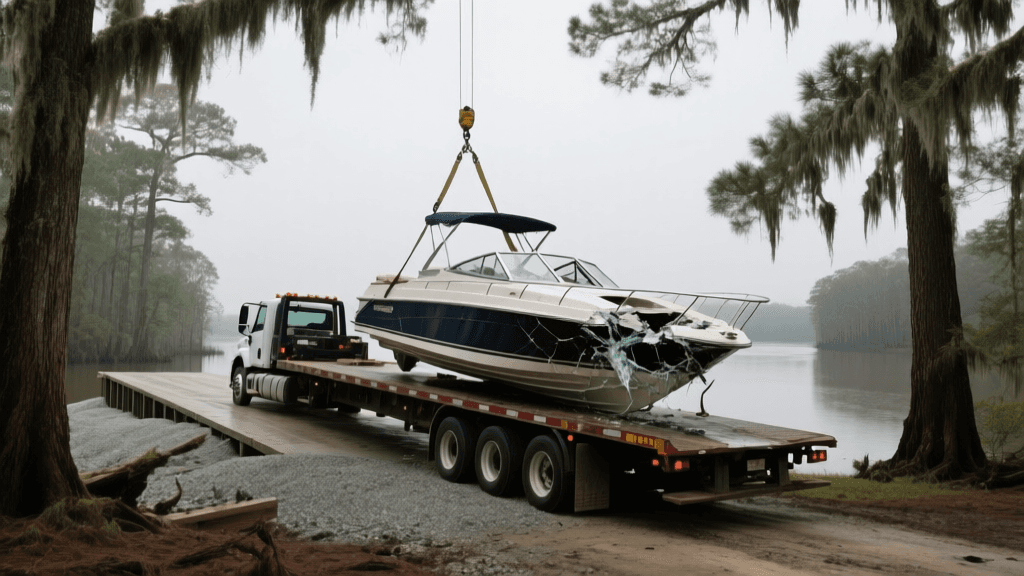
A boat accident does not necessarily end when everyone is safely off the water. If a vessel sinks, breaks apart, or blocks a navigable area, raising and removing it can create a substantial bill. For boaters in Columbia, South Carolina, this is worth reviewing before a day trip to Lake Murray, where changing weather, crowded launch periods, submerged hazards, and long distances from a ramp can complicate recovery. Wreckage removal coverage may help with eligible expenses, but the amount available depends on policy wording, limits, deductibles, and whether the incident qualifies as a covered loss. This guide explains what to check before trouble occurs.
What Removal Coverage Means in Practice
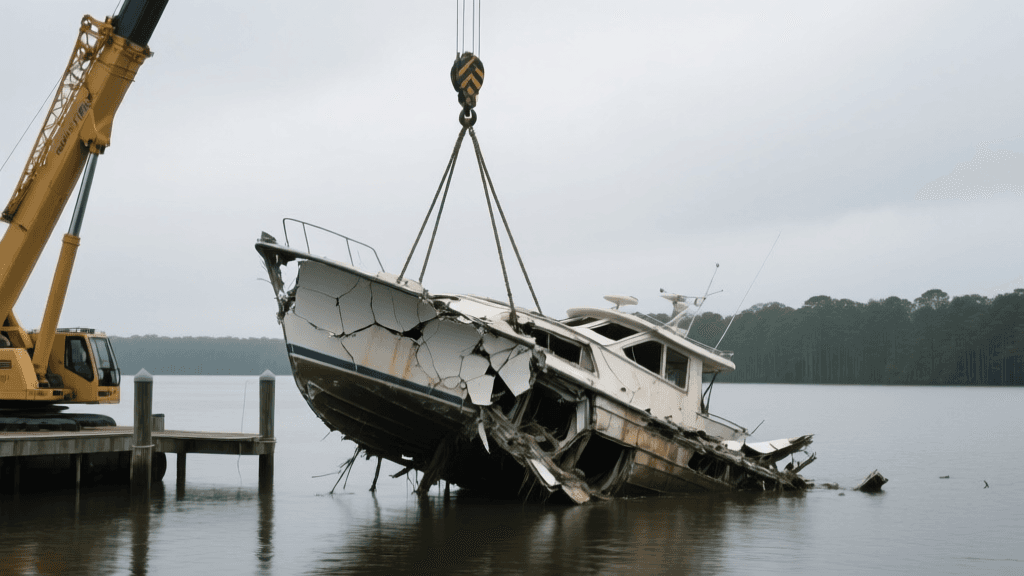
Wreckage removal generally refers to raising, moving, or disposing of a damaged or sunken boat after an incident. It is not always the same as physical damage coverage, which addresses repair or replacement of the insured vessel. A policy might list removal as a separate coverage, set a sublimit within another coverage, or apply conditions that affect how much the insurer will pay. The exact definition matters: a crane lift, tow to a repair facility, debris disposal, and environmental response may be treated differently. Ask for the policy form and declarations page, then confirm the removal limit and how it coordinates with the boat’s insured value.
Check the Limit, Sublimit, and Deductible Together
A headline limit can look reassuring until a sublimit or deductible changes the practical amount available. For example, if a policy caps removal costs separately from hull damage, a costly recovery could exceed that cap even when the boat has strong physical damage coverage. A deductible may also apply to the related claim, depending on the contract. Ask whether the limit is per accident or per policy term, whether it is separate from the boat’s insured value, and whether the deductible reduces removal payments. Request a clear example using a hypothetical recovery invoice so you can see how the insurer would calculate eligible payment rather than relying on a limit label alone.
Confirm What Counts as a Covered Loss
Removal coverage commonly depends on the loss meeting the policy’s requirements. Collision, fire, severe weather, or another specified event may be treated differently from gradual deterioration, poor maintenance, or an unexplained disappearance. Exclusions and duties after a loss can also matter. A boater should ask whether removal is covered when a vessel sinks at its mooring, whether an emergency response must be authorized, and how the policy handles expenses ordered by a public authority. Keep the insurer’s claims contact information accessible and report an incident promptly. When people, navigation, or the environment face immediate danger, address safety first and follow instructions from emergency responders.
Ask About Contractors, Estimates, and Documentation
Recovery work can require specialized equipment, and an insurer may have procedures for selecting a contractor or approving an estimate. Before a non-emergency lift, ask whether the insurer needs photographs, a written scope of work, multiple estimates, or advance authorization. Find out if the policy pays the contractor directly or reimburses the boat owner, and whether storage, towing, debris handling, or disposal charges are included. Save incident details, receipts, messages, and photographs when it is safe to do so. These records help clarify what happened and what services were performed. If the boat is at a marina or public access area, also ask who is responsible for coordinating access and protecting nearby property.
Local Considerations for Columbia and Lake Murray
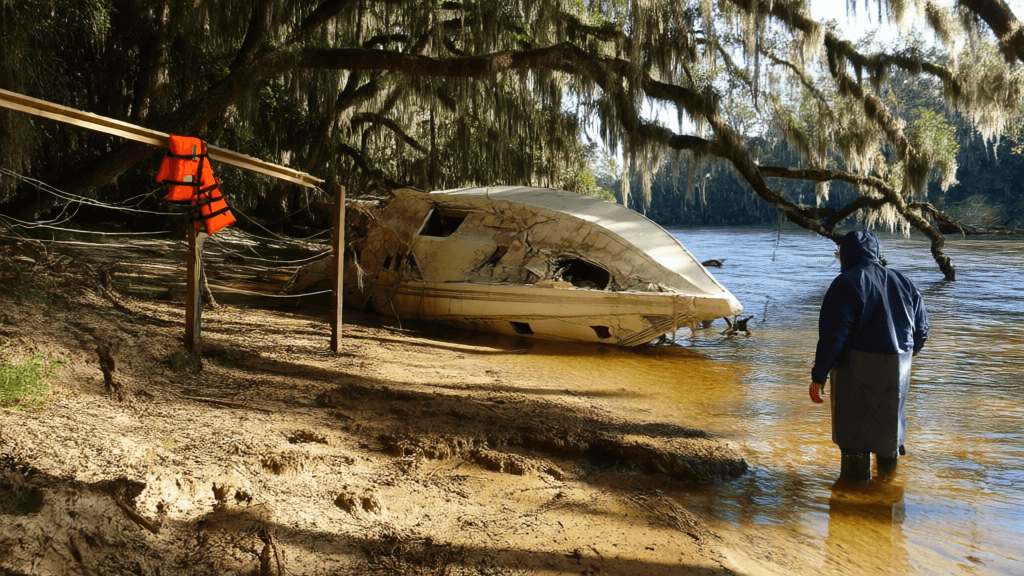
Columbia boaters often reach Lake Murray through communities such as Lexington, Chapin, Ballentine, and nearby areas, so a recovery may involve different marinas, ramps, shorelines, or access conditions. A boat grounded in shallow water presents a different problem from one that sinks in a deeper channel or near a busy recreation area. Wind, storms, visibility, and weekend traffic can affect how quickly a contractor can reach a vessel and what equipment is needed. Ask how the policy treats removal from a private dock versus a public or restricted area, and whether location-related charges are subject to the same limit. Local familiarity is useful, but the written policy—not an informal expectation—determines coverage.
Questions to Ask During a Coverage Review
Review These Details Before Launching
- What is the maximum amount available for raising, removing, and disposing of wreckage, and is it a separate limit?
- Does the deductible apply to removal expenses, and is the limit per incident or for the policy period?
- Which causes of sinking or damage qualify as covered losses, and what exclusions could affect a claim?
- Do contractors, estimates, or emergency work require advance approval, and what documentation should be saved?
- Are towing, storage, debris handling, and pollution-response expenses covered under this section or another coverage?

Practical Next Steps Before Your Next Lake Murray Trip
Set aside time to read the declarations page and the policy language describing wreckage removal, salvage, and physical damage. Write down the applicable limit, deductible, covered-loss triggers, exclusions, and notice instructions, then ask for clarification where the wording is unclear. Compare those details with the size and value of your boat, typical operating area, and the possibility of a recovery requiring specialized equipment. Keep the insurer’s claims number and your vessel information available on board, and review safety equipment and emergency procedures before departure. Columbia-area boaters can use these questions to make an informed coverage comparison without assuming that every policy handles a sunken boat the same way.
Review Your Boat Coverage Before You Launch
Compare removal limits, deductibles, and claim requirements so you understand how your policy may respond after a covered incident.
Get a Free Quote