
What Wreckage Removal Coverage Is in Columbia, SC
Wreckage removal coverage is a boat insurance protection that helps pay the cost to recover, remove, tow, salvage, and dispose of a boat after it sinks, grounds, burns, or is so badly damaged that it must be cleared from the water. In Columbia, SC, this matters most for owners who use Lake Murray and connected marinas, ramps, and shoreline areas where a disabled vessel can become a navigation hazard fast. Many boaters assume their basic hull coverage automatically pays every removal expense, but that is not always true. Wreckage removal is often subject to separate limits, policy wording, and covered-loss requirements, so reviewing the details before an accident happens is important.
Why Columbia Boaters Need It Around Lake Murray
Columbia boat owners face a mix of risks that can turn a damaged vessel into a costly salvage project. Sudden summer thunderstorms, floating debris, shallow areas near shore, dock collisions, trailer-launch mistakes, and fire losses can all leave a boat partially submerged or stranded. On busy weekends around Lake Murray of Richland, Chapin, Lexington, and Ballentine, a wrecked vessel may need to be removed quickly to protect other boaters and prevent fuel or battery-related contamination. In South Carolina, waterway safety and environmental concerns can create urgency even when the boat itself is older or has limited market value. That is why wreckage removal coverage can be just as important as physical damage protection for many Columbia-area owners.
What Wreckage Removal Coverage Usually Pays For
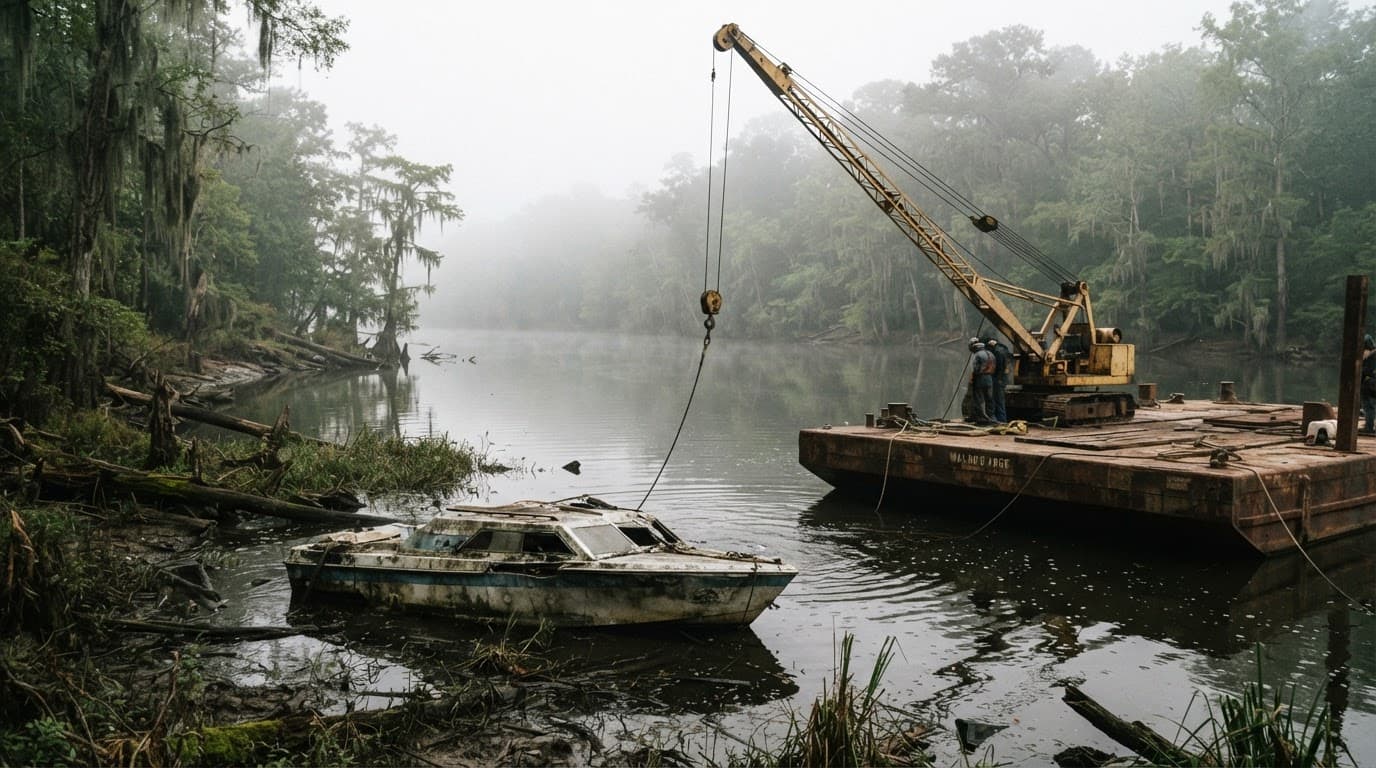
This coverage commonly helps with the practical and expensive work that follows a serious boating loss. Depending on the policy, it may pay for marine salvage crews, lifting equipment, towing from the loss site, debris collection, emergency labor, and lawful disposal of the vessel after recovery. Some policies also respond when authorities require removal because the boat is blocking traffic, threatening docks, or creating pollution concerns. For a Columbia boater on Lake Murray, that can mean help with crane service, barge access, underwater recovery, or transport to a yard for inspection. The exact trigger matters: many policies require the loss to result from a covered peril such as collision, storm damage, fire, theft recovery damage, or sinking.
Key Benefits
- Helps pay salvage and recovery costs after a covered sinking, fire, grounding, or collision
- Can cover towing, lifting, debris cleanup, and disposal when a vessel must be removed from the water
- Useful for Lake Murray boaters where busy channels and marina areas may require fast action
- May help satisfy legal or marina-related removal demands after a covered loss
- Protects savings from large out-of-pocket bills that standard damage coverage may not fully absorb
- Supports safer waterways for boaters in Columbia, Lexington, Chapin, West Columbia, and Cayce

Factors Affecting Wreckage Removal Rates in Columbia, SC
The cost of adding wreckage removal coverage depends on more than the size of the boat. Insurers look at vessel type, horsepower, age, storage method, claims history, navigation territory, and whether the boat is used mainly on inland water like Lake Murray or towed to other locations. A larger wake boat, pontoon, or cabin boat can cost more to recover than a small fishing boat because of weight, fuel systems, and specialized equipment needs. Where the boat is kept also matters. Marina slips, exposed docks, and high-traffic launch areas around Columbia, Lexington, and Chapin can create different risk profiles than dry storage. Deductibles, policy limits, and any separate salvage endorsement also influence premium.
How Wreckage Removal Claims Work
After a serious incident, the first step is always safety: protect passengers, contact emergency responders if needed, and follow any reporting requirements from local authorities or marina operators. Next, document the loss with photos, videos, the location, weather conditions, and names of witnesses. A claim is then opened with the insurer so an adjuster can confirm whether the event is a covered loss and whether wreckage removal applies. In Columbia, SC, prompt reporting matters because salvage vendors may need to act quickly on Lake Murray to prevent the boat from drifting, sinking deeper, or leaking fluids. Keep receipts, towing invoices, and written instructions from authorities. Payment timing depends on policy terms, inspections, and whether removal was emergency work or planned recovery.
Common Mistakes and Misconceptions About Boat Wreckage Removal
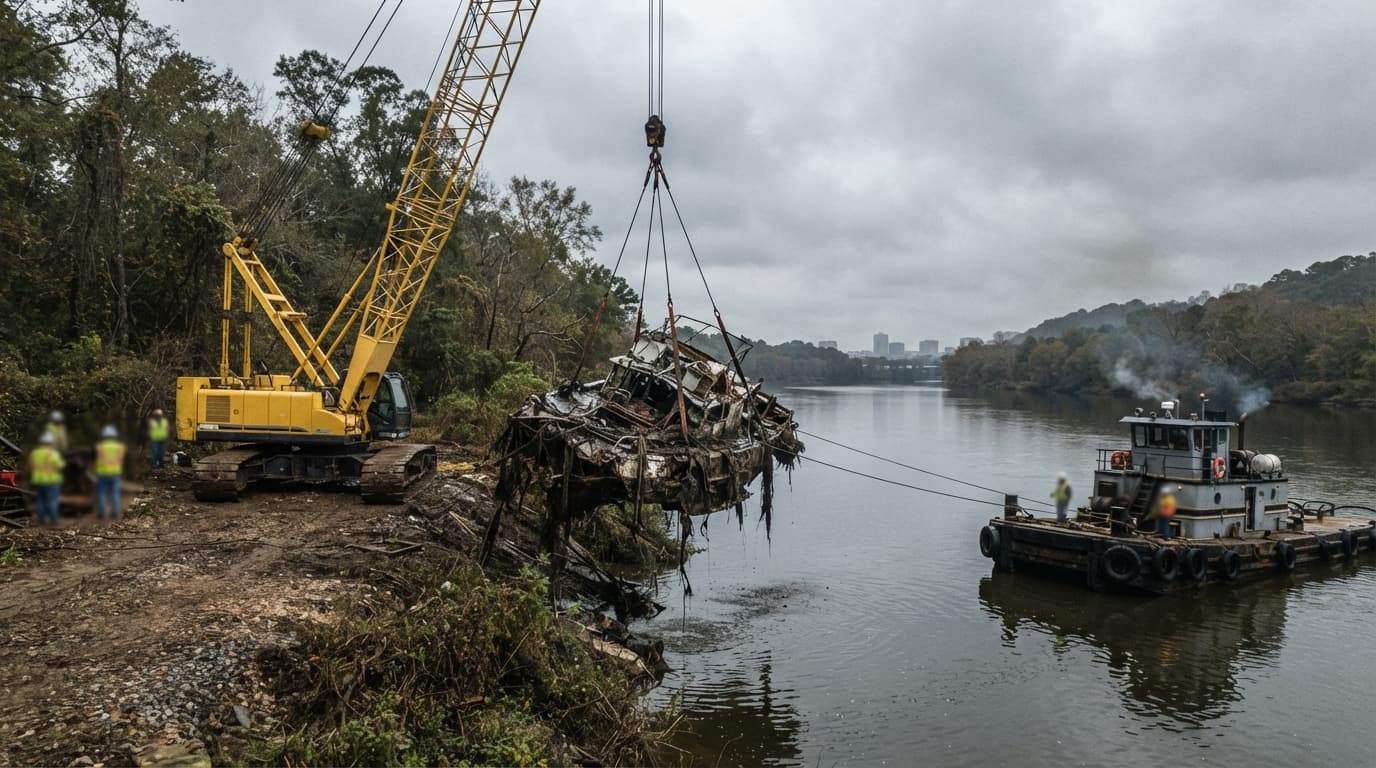
A common mistake is thinking every boat policy includes unlimited salvage and wreckage removal. In reality, some policies fold it into the hull limit, some offer a separate sublimit, and some only apply it after a covered physical damage loss. Another misconception is that an older boat is not worth insuring for removal because its market value is low. In many cases, the recovery bill can be higher than the boat's value, especially if the vessel sinks near a dock, ramp, or busy boating lane on Lake Murray. Some owners also wait too long to call in a claim or hire cleanup help without approval, which can create reimbursement issues. Reading exclusions for wear and tear, gradual leakage, neglect, or non-covered breakdowns is essential.
Choosing the Right Wreckage Removal Coverage Level
The right limit should reflect what it could actually cost to remove your specific boat from the places you use it. Start with the vessel's size, weight, fuel capacity, engine setup, and where it is normally stored or operated. A pontoon at a protected dock may present one kind of removal cost, while a larger runabout used in busier parts of Lake Murray may require more labor, towing, or heavy equipment after a loss. Columbia boaters should also think about seasonality, storm exposure, and whether marinas or lenders have insurance requirements. Ask whether wreckage removal is inside or outside the hull limit, what deductibles apply, and whether pollution cleanup or fuel spill response needs separate protection.
Getting Wreckage Removal Coverage in Columbia and Nearby Areas
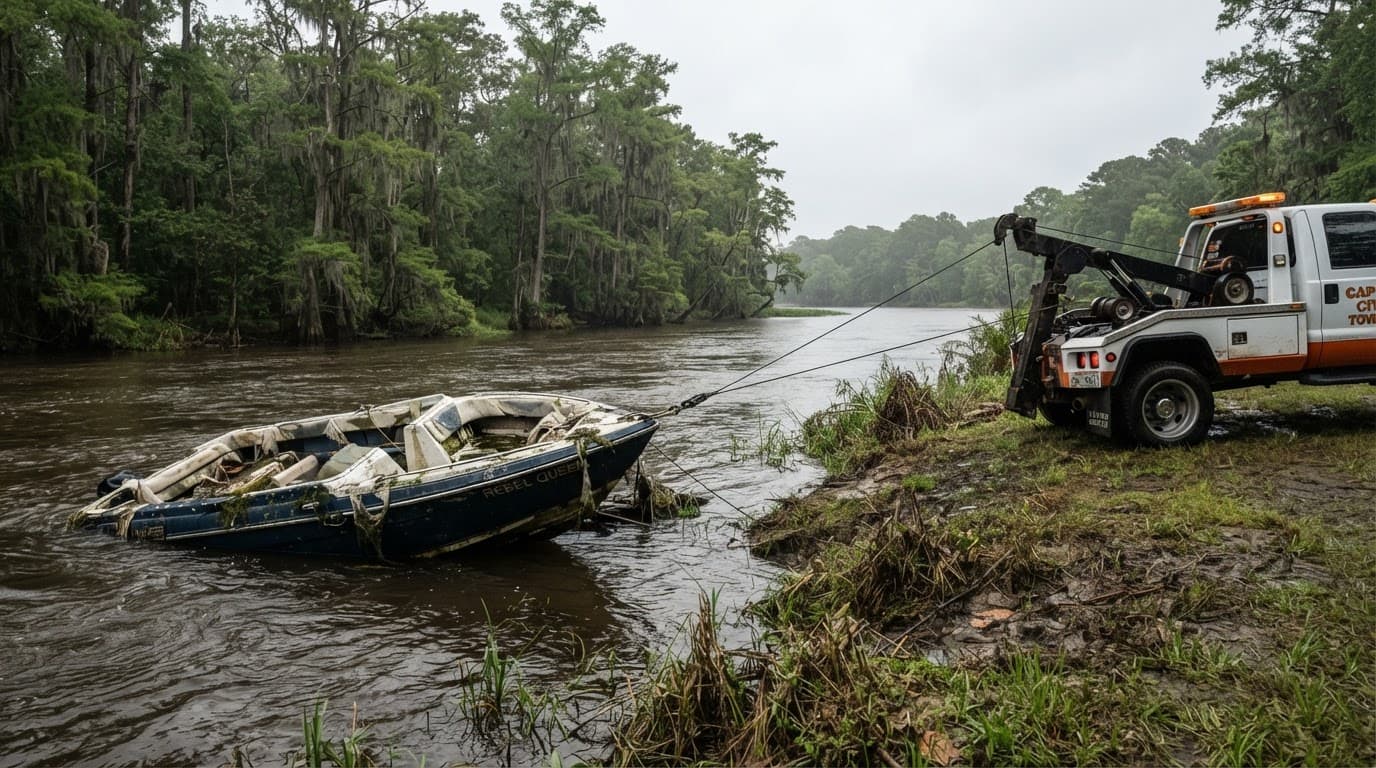
Getting covered usually starts with a few practical details: the boat's year, make, model, length, horsepower, storage location, ownership status, and how it is used. Insurers may also ask about safety equipment, prior claims, and whether the boat stays around Columbia year-round or is trailered to other South Carolina waters. For residents in Columbia and nearby communities like Lexington, Chapin, Seven Oaks, St. Andrews, Forest Acres, Dentsville, West Columbia, Cayce, Springdale, and Blythewood, the best approach is to compare policy wording closely, not just price. Look for clear language on covered perils, salvage limits, exclusions, deductibles, and emergency removal procedures. A quote review can show whether the policy meaningfully protects against the real cost of a sunken or wrecked vessel.
Answers for Columbia Boat Owners
Cost varies by boat type, value, size, storage, and where it is used, but wreckage removal is usually a modest part of the overall boat policy compared with the potential recovery bill. In Columbia, SC, rates can differ for boats kept on Lake Murray, in marina slips, or in dry storage.
It generally covers the cost to recover, remove, tow, salvage, and dispose of a sunken or severely damaged boat after a covered loss. Coverage may also help when authorities require removal because the vessel is obstructing navigation or creating an environmental hazard.
Yes, many Lake Murray boaters should strongly consider it. Even on inland water near Columbia, a sinking, fire, collision, or grounding can create expensive salvage costs, especially near docks, ramps, marinas, and busy boating areas.
Protect Your Vessel, Columbia Boat Owners
Get tailored marine coverage in minutes with your boat's specifics.
Related Articles
Learn more about wreckage removal columbia sc with these expert guides
Wreckage Removal Columbia SC
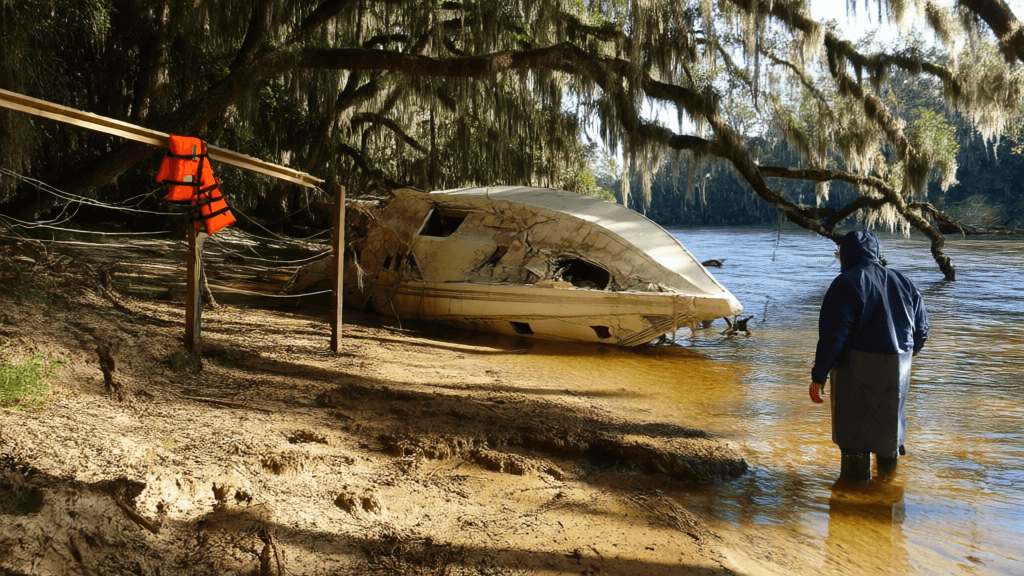
Reviewing Boat Wreckage Removal Limits in Columbia, SC
Boat wreckage removal coverage can help pay to raise, move, or dispose of a boat after a covered incident, but limits an...
Wreckage Removal Columbia SC
What to Know About a Boat Wreckage Removal Claim in Columbia, SC
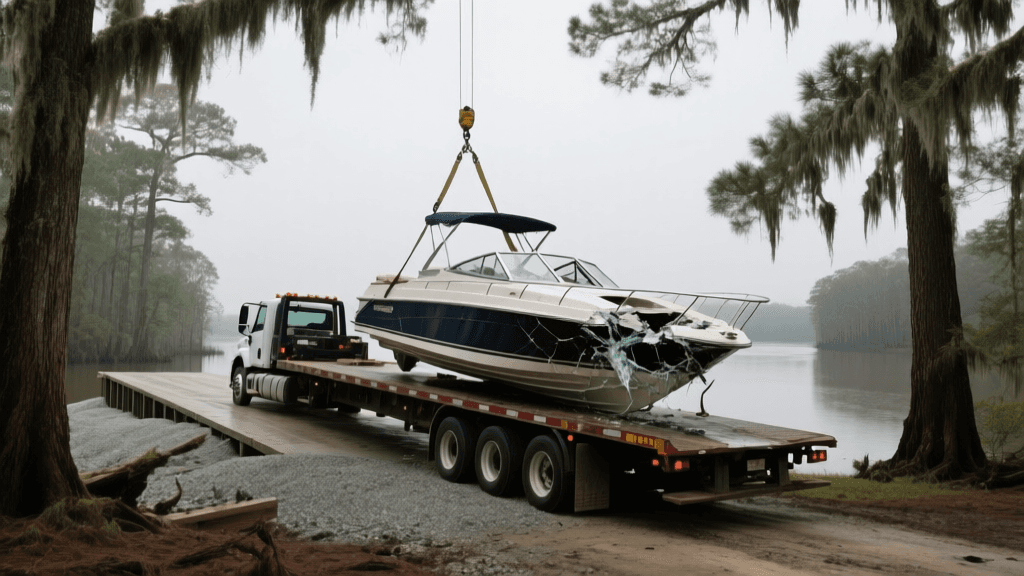
A boating loss that leaves a vessel grounded, submerged, or obstructing a waterway can require quick decisions about saf...
Wreckage Removal Columbia SC
Boat Wreckage Removal Coverage in Columbia, SC: A Guide
Boat wreckage removal coverage may help address the cost of removing a boat after a covered loss, but responsibilities a...