What to Do First After a Boat Wreck
A boat wreck can quickly become a safety and logistics problem, especially if the vessel is taking on water, drifting, or blocking a navigable area. Near Columbia, a boating loss on Lake Murray may involve waves, changing weather, busy recreation areas, and a long distance between the boat and a convenient launch. First, account for every person aboard, move to a safe location if possible, and contact emergency services when anyone is injured or in immediate danger. Do not attempt a recovery that puts passengers or bystanders at risk. Once urgent needs are addressed, notify the appropriate authorities and your insurer, then keep a written record of the calls, times, and instructions you receive.
Why Wreckage Removal Can Be Complicated
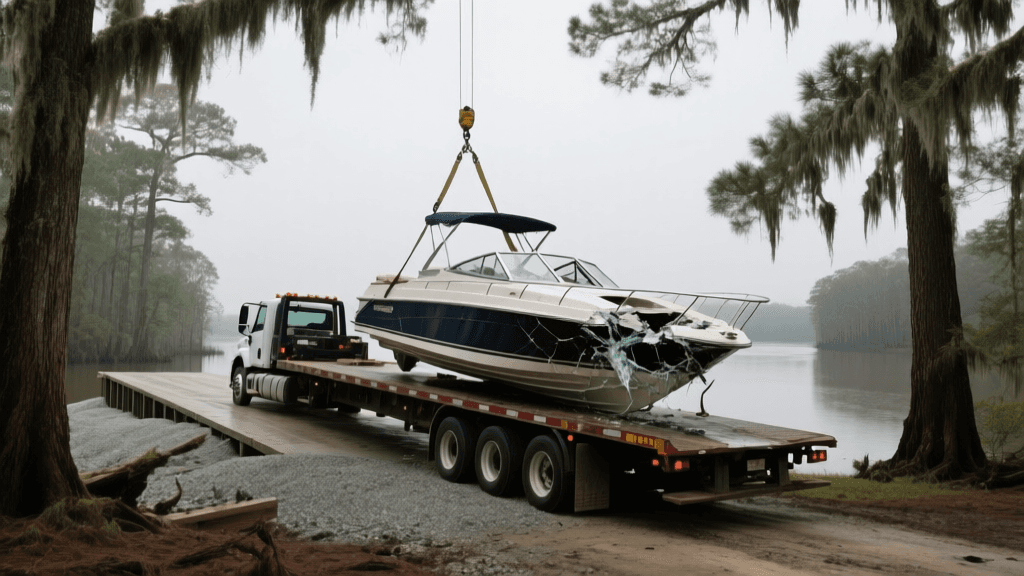
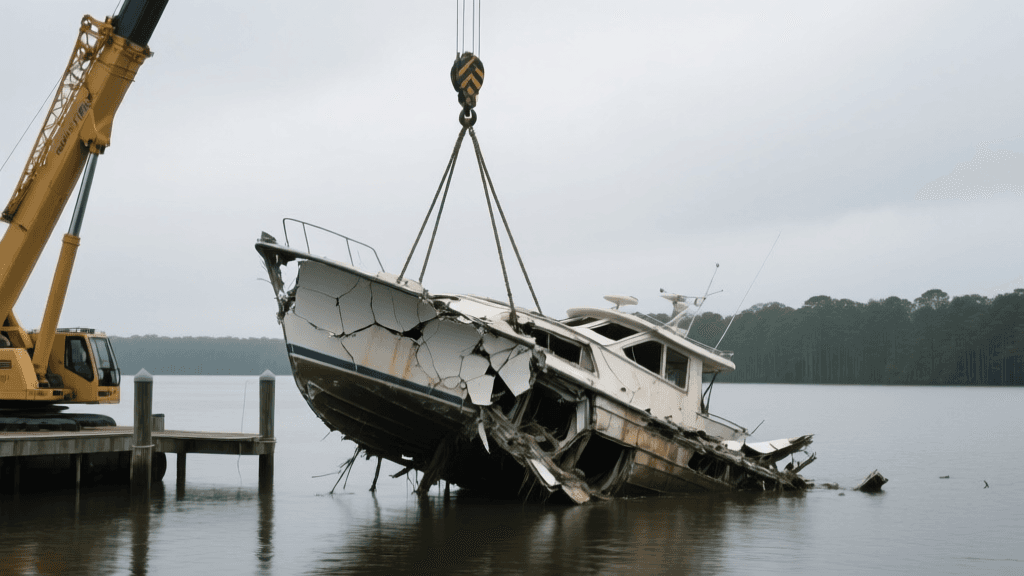
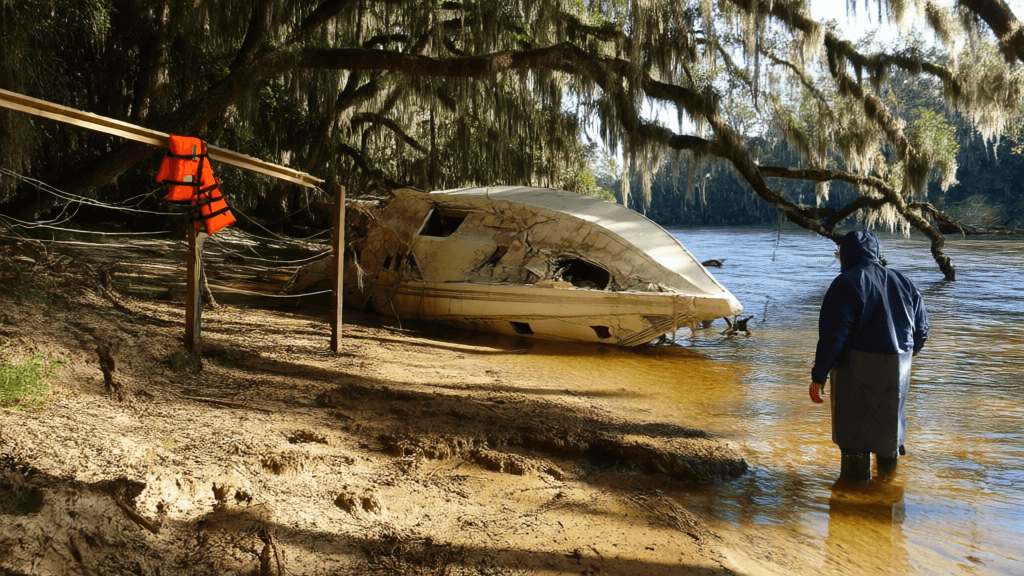
Wreckage removal is more than towing a disabled boat to shore. A vessel may be partly submerged, grounded, leaking fuel, or positioned where it presents a hazard to other watercraft. The work can require specialized equipment, a salvage operator, environmental precautions, and coordination about where the boat can be moved or stored. Policy language also matters: some boat policies include specific wreck-removal coverage, while others address removal costs under different conditions or limits. Coverage may depend on the cause of the loss, whether removal is legally required, and what expenses were reasonable and approved. Before authorizing non-emergency work, ask the insurer what documentation and estimates are needed, and request clear written confirmation whenever practical.
Protect People and Prevent Further Damage
Make personal safety the priority, not the condition of the boat. If the vessel is unstable or taking on water, avoid climbing aboard unless a qualified responder says it is safe. Keep people away from fuel, batteries, sharp metal, and submerged hazards. If there is a suspected fuel or oil release, report it promptly to the proper authorities rather than trying an improvised cleanup. On Lake Murray, wind and boat traffic can make a disabled vessel harder to secure, so follow directions from emergency responders or marine patrol personnel. If safe and feasible, note the boat’s location using a map pin or GPS coordinates and take photos from a safe distance. Do not move, dismantle, or dispose of damaged parts before asking whether an inspection is needed.
Document the Loss Before Removal
Good documentation can help explain what happened and why particular removal expenses were necessary. Photograph the boat from several angles, including visible damage, its position, nearby hazards, and any identifiable debris, but only from a safe place. Record the date, approximate time, location, weather, water conditions, and a brief account of the events while details are fresh. Gather names and contact information for witnesses, passengers, responding officials, and any salvage company representative. Keep copies of incident or case numbers, estimates, invoices, receipts, and written instructions. If immediate action is required to prevent injury or a greater hazard, do not delay it just to take pictures; document the situation as soon as it is safe and explain why urgent removal was necessary.
Coordinate Removal and Keep Decisions in Writing
Before hiring a salvage provider, contact your insurer’s claims department and ask whether it has requirements for estimates, contractors, inspections, or approval. In an emergency, authorities may direct prompt action, and protecting people or preventing an immediate hazard should come first. Keep a record of who gave each instruction and when. Ask the removal company for a written scope of work that separates services such as stabilization, towing, lifting, debris handling, and storage. Confirm the destination of the boat and whether storage charges will accrue by the day. Avoid assuming that a verbal assurance guarantees payment; request a claim number and written guidance about the next steps. If authorities require removal, retain the notice or document the official’s name and the reason provided.
Notify Authorities and Your Insurer Promptly
Reporting requirements depend on the facts of the incident, including injuries, property damage, pollution concerns, and where the accident occurred. Follow directions from emergency responders and the relevant South Carolina boating authorities, and ask whether an incident report is required. Do not guess at legal deadlines; confirm current reporting obligations with officials or a qualified legal professional when needed. Contact your insurer as soon as reasonably possible, even if you are still waiting for a repair or salvage estimate. Provide factual information, identify what is known and what remains uncertain, and avoid speculating about fault or the final cost. Share official report numbers and supporting documents as they become available, and keep a copy of every message or form submitted.
Columbia and Lake Murray Considerations
Columbia-area boaters often use Lake Murray, where a wreck may occur far from a public access point or near a heavily used recreation area. Distance, water depth, weather, and traffic can affect how quickly a salvage team can reach a vessel and what equipment it needs. Conditions may also differ between open water and narrower coves, so provide responders with a precise location and recognizable landmarks when possible. Boaters in Lexington, Chapin, Ballentine, and nearby communities may launch from different parts of the lake, but the same basic priorities apply: protect people, report hazards, preserve records, and coordinate with officials. Confirm whether the boat’s location creates a navigation or environmental concern, and do not assume that a routine towing service can handle a submerged or unstable vessel.
Key Claim Takeaways
A Practical Checklist
- Account for everyone and call emergency services when there is injury, immediate danger, or a serious hazard.
- Notify the appropriate authorities and ask whether an incident report or removal direction is required.
- Contact the insurer promptly, obtain a claim number, and ask about estimates, inspections, approval, and policy limits.
- Photograph the scene and damage only when safe, and record location, conditions, witnesses, instructions, and report numbers.
- Request an itemized written salvage estimate and keep every invoice, receipt, storage charge, and written communication.
- Review the actual policy wording because wreck-removal coverage, conditions, and limits vary by policy.

What to Do Next
After the immediate response, organize the claim into a simple timeline: when the incident happened, who was contacted, what authorities instructed, when the insurer was notified, and when removal work began. Match each expense to an estimate, invoice, receipt, or written explanation. Ask the claims representative to clarify which policy provisions apply, what information is still needed, and whether the damaged boat should remain available for inspection. If a charge is disputed, request the reason in writing and provide relevant records rather than relying on memory alone. For future preparedness, keep your policy details, vessel identification, emergency contacts, and basic boat information accessible on the water. Comparing policies before a loss can also help clarify how removal costs and related services are addressed.
Review Your Boat Coverage Before the Next Outing
Compare policy wording, limits, and claim procedures so you understand how a wreckage removal loss may be handled.
Get a Free Quote