What Boat Wreckage Removal Coverage Can Mean
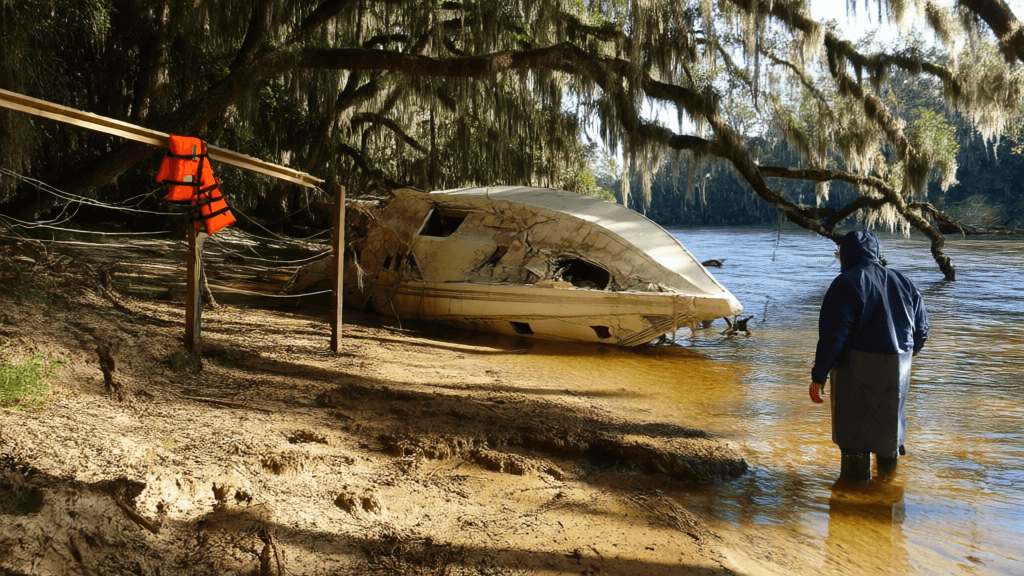
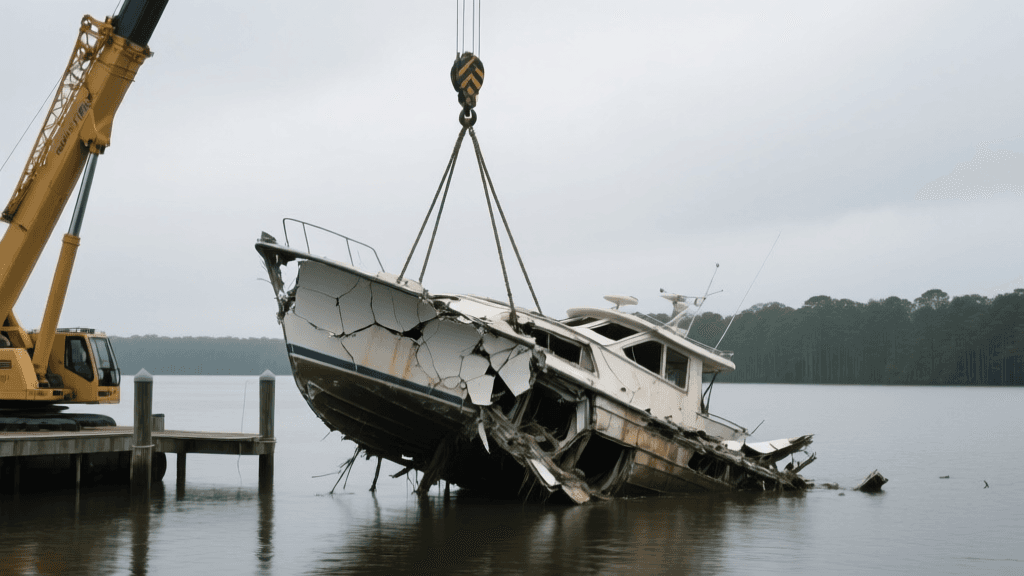
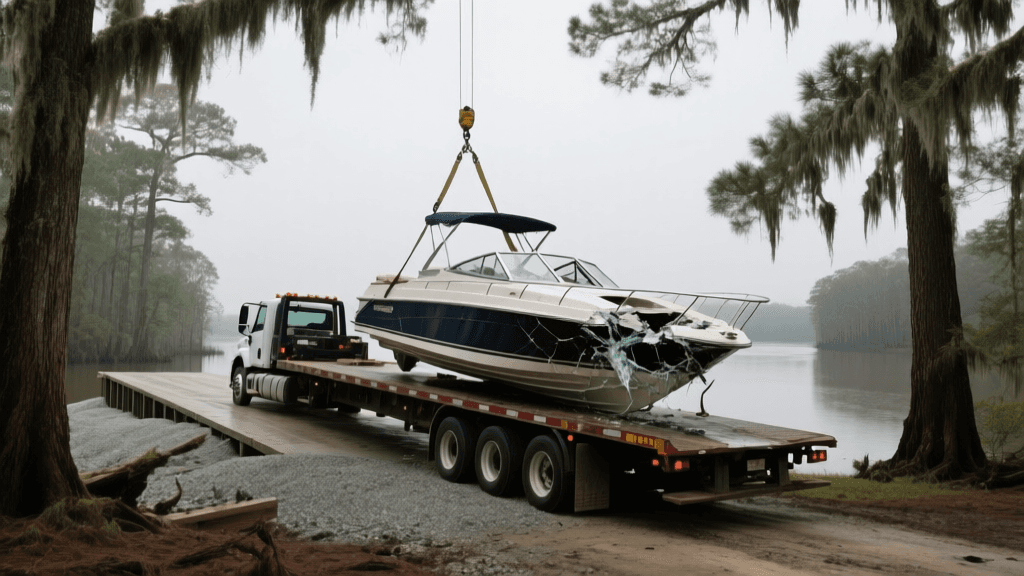
After a boat sinks, runs aground, or is badly damaged in a collision, getting the wreckage out of the water can become a separate problem from repairing or replacing the boat. Wreckage removal coverage, sometimes described in a policy as wreck removal or removal of debris, may help pay eligible costs when a covered loss leaves a vessel that must be recovered or removed. The exact trigger, covered expenses, and maximum payment depend on the policy. For Columbia boaters using Lake Murray, understanding this coverage before launching can help clarify who may arrange recovery, what costs might be considered, and which calls to make after an incident.
Why Removal Responsibilities Matter Around Columbia
A damaged vessel can create more than a repair bill. It may obstruct a channel, threaten other boats, release fuel or other pollutants, or present a hazard to people in the water. Depending on the location and facts, a boat owner may have responsibilities under applicable laws, directions from authorities, marina rules, or agreements with a waterway operator. Those obligations are not identical in every incident, and insurance wording does not replace legal or safety instructions. On busy Lake Murray days, prompt notice and clear communication can help keep a recovery operation coordinated. Before an emergency, review your policy and keep the insurer’s claims contact and your boat’s identifying details accessible.
What Costs Might Be Considered
A policy may address reasonable costs to locate, raise, tow, or remove a vessel after a covered event, but it may distinguish those expenses from salvage, emergency services, pollution cleanup, or repairs. Some policies set a separate wreck-removal limit; others may apply a broader limit or specific conditions. For example, a boat that sinks after a covered collision near a Lake Murray marina may require a recovery crew, while a vessel merely left unattended or removed for convenience may be treated differently. Ask whether the limit is per occurrence, whether it is in addition to the boat’s insured value or included within it, and whether prior approval is required. Do not assume every contractor charge qualifies automatically.
Limits, Deductibles, and Policy Language to Check
A wreck-removal limit is the most the policy may pay for covered removal expenses, subject to its terms. Check whether the limit is a fixed dollar amount or a percentage, whether a deductible applies, and whether the same limit also pays for salvage or pollution-related work. Read definitions and exclusions as carefully as the coverage summary: policies may describe what counts as a covered accident, which expenses are considered reasonable, and how an insurer handles a recovery arranged without authorization. If the boat is financed, also check whether lender requirements affect the policy you need. When comparing options, ask for a written explanation of how a hypothetical sinking or collision would be handled rather than relying only on a coverage label.
What to Do After a Boating Incident
Protect people first. Call emergency services or the appropriate authorities when someone is injured, missing, or in immediate danger, and follow instructions from responders. Once it is safe, notify your insurer as soon as practical and explain the vessel’s location, condition, and any immediate hazards. Take photos or video from a safe place, record witness and contractor details, and keep receipts and written estimates. Before authorizing non-emergency work, ask the claims representative whether inspection or approval is needed and how to document the scope and price. Do not put yourself at risk to retrieve belongings or move a damaged boat. Reporting deadlines and cooperation requirements vary by policy, so follow the specific instructions provided.
Local Considerations on Lake Murray
Columbia-area boaters may launch from different parts of Lake Murray, including access points near Lexington, Chapin, and communities west of the city. A recovery plan can change with the boat’s distance from shore, water depth, weather, nearby traffic, and access for towing equipment. A vessel near a dock or marina may present different logistical issues from one stranded in open water or close to a navigational route. Keep the boat’s registration, hull identification number, photographs, and basic dimensions available; these details can help responders and a claims team identify the vessel and assess recovery needs. Local access and operating requirements can also vary, so follow directions from authorities and facility operators rather than assuming one procedure applies everywhere.
Questions to Ask Before You Need the Coverage
Policy Review Checklist
- Ask what event must occur for wreckage removal expenses to qualify and whether sinking, collision, grounding, or other losses are treated differently.
- Confirm the applicable limit, deductible, and whether removal costs share a limit with salvage, pollution cleanup, or damage to the boat.
- Find out who can authorize a recovery contractor, what to do if immediate action is needed, and which records the insurer will require.
- Check for exclusions, notice deadlines, and conditions that apply when the vessel is used, stored, or operated in particular circumstances.

Next Steps for Columbia-Area Boat Owners
Set aside time to review the declarations page and the policy sections covering physical damage, liability, salvage, and wreck removal. If the language is unclear, ask the insurer or qualified insurance professional to explain a realistic Lake Murray scenario, including what happens if the boat sinks and a recovery contractor must be called. Compare limits and conditions alongside premiums; a lower price may not provide the same amount of protection or flexibility. Keep emergency contacts, registration details, and policy information where they can be reached from the water. Boaters in Columbia, West Columbia, Cayce, and nearby communities can use these steps to prepare before an incident, while remembering that coverage decisions depend on the facts and the policy in force.
Review Your Boat Policy Before Launch
Compare wreck-removal limits, claim procedures, and policy conditions so you know what questions to ask before an emergency.
Get a Free Quote