Why Settlement Type Matters Before You Launch
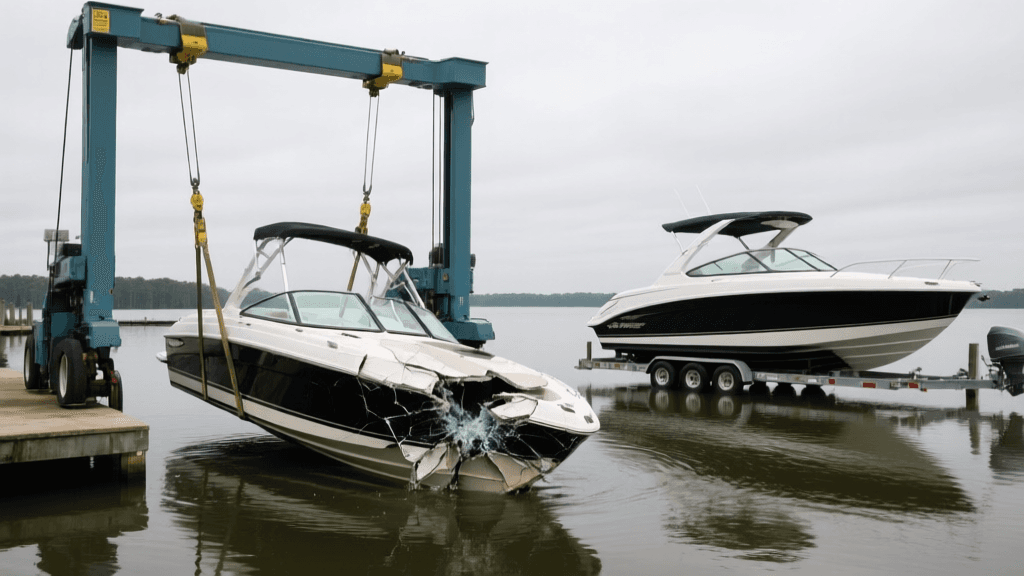
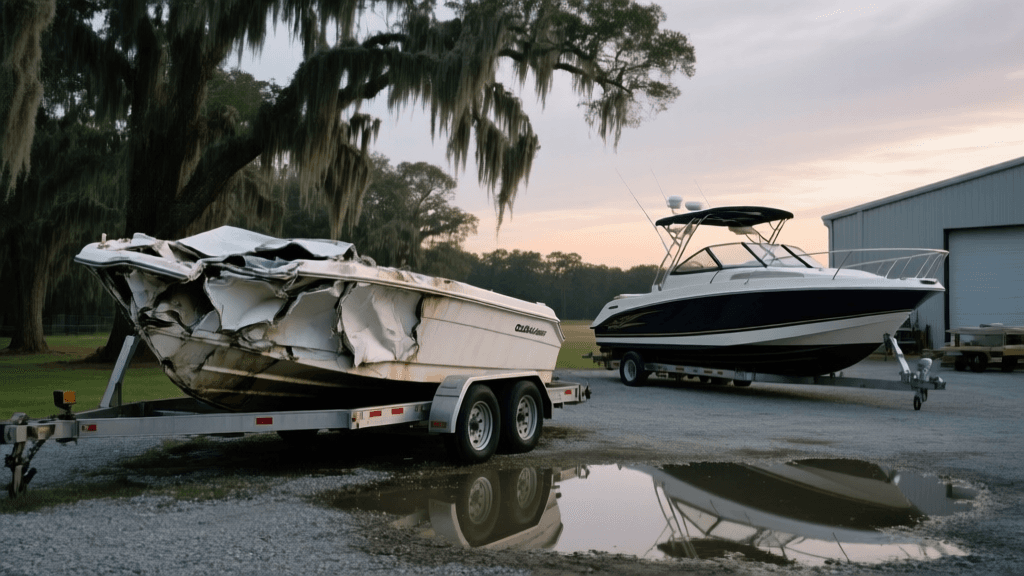
If a boat is damaged beyond repair, the policy’s settlement method can shape how much money is available to replace it. For Columbia boat owners, that distinction matters whether the boat spends weekends on Lake Murray or is trailered to other South Carolina waterways. Total loss replacement and agreed value are not interchangeable promises: eligibility rules, the boat’s age, insured equipment, and the exact policy wording all affect the result. A useful comparison starts with a practical question: after a covered total loss, would the settlement help buy a comparable replacement, or would it pay the value agreed upon when the policy began? This guide explains the terms and what to review.
How Boat Value Changes Over Time
Boats, engines, trailers, and electronics do not necessarily lose value at the same rate. A well-maintained boat with documented service may be worth more than a similar model with neglected maintenance, while newer navigation equipment can add value if it is properly listed or covered. In a replacement-cost arrangement, the insurer may use policy-specific criteria to determine whether a comparable new or replacement boat is available and whether the boat qualifies. Agreed value instead establishes a stated amount in advance, subject to the contract’s terms and applicable deductible. Neither label alone tells the whole story. Read how the policy defines total loss, valuation, covered equipment, and any limits or exclusions.
What Total Loss Replacement May Provide
Total loss replacement coverage is designed to help with the cost of replacing an eligible boat after a covered total loss, often using a replacement boat that meets specified age, type, or model requirements. The policy may require the original boat to be relatively new, and it may set rules for how the replacement is selected and valued. For example, a Columbia owner whose newer runabout is destroyed in a covered fire may find that replacement terms offer a different result than a depreciated-value settlement, but only if the boat and claim satisfy the contract. Ask whether the benefit applies to the hull alone or also to the engine, trailer, and permanently installed equipment.
How Agreed-Value Coverage Works
With agreed-value coverage, the owner and insurer establish a boat value when the policy is written or renewed. If a covered event results in a total loss, the policy generally uses that stated amount as the starting point for settlement, with the deductible and policy conditions still applying. This can make planning more predictable than relying on a later market valuation, especially when the boat has upgrades or a well-documented condition. However, an agreed amount is not automatically the same as replacement cost, and it may become outdated as market prices change. Columbia-area owners should review the amount at renewal and provide accurate purchase records, photographs, survey information, and receipts for major improvements.
Compare Depreciation, Deductibles, and Equipment
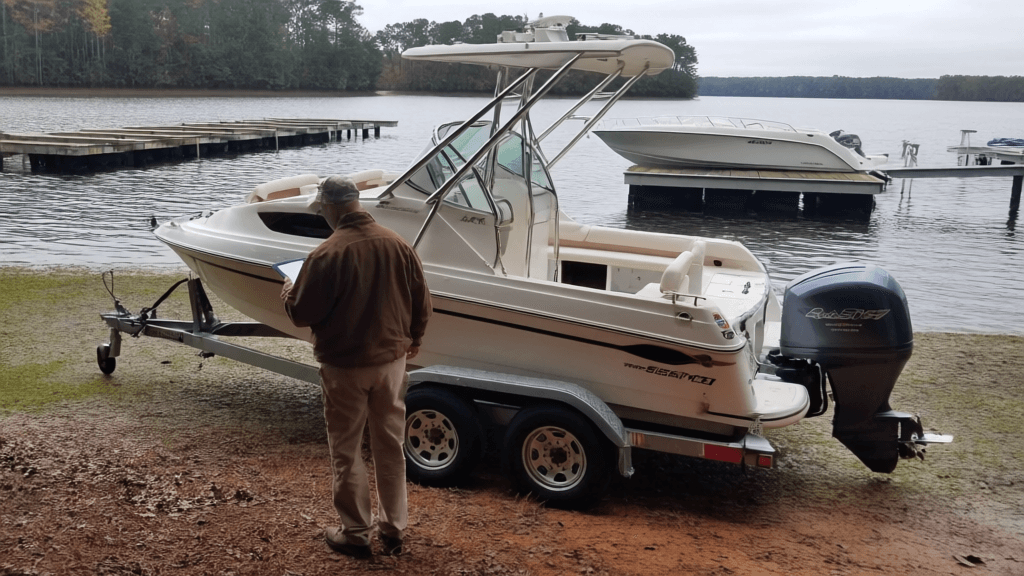
The headline settlement method is only one part of the comparison. Confirm whether the policy subtracts depreciation, how the deductible applies to a total loss, and whether the stated boat value includes the motor, trailer, and accessories. A boat insured for its hull alone may leave a meaningful gap if a separately valued outboard or electronics package is not included. Also check whether salvage ownership, taxes, transport, or replacement-price limits affect the payment. If a boat has a custom sound system or upgraded fish finder used on Lake Murray, keep invoices and verify how that equipment is treated. Clear schedules and current records can prevent surprises when a claims adjuster needs to establish what was insured.
Questions to Ask About Eligibility and Policy Wording
Before choosing either approach, ask how the policy defines a total loss and whether the insurer can repair the boat when repair costs approach its insured value. Find out whether replacement coverage has a maximum boat age, purchase deadline, model-year requirement, or approved-replacement standard. For agreed value, ask how the amount is determined, whether it can be revised, and whether a survey is required for an older or higher-value vessel. Review exclusions for wear, corrosion, mechanical breakdown, or improper storage, since these issues can affect whether damage is covered at all. Request written explanations of terms that are unclear. The declarations page shows important limits, but definitions and endorsements elsewhere in the contract can change how settlement works.
Local Considerations for Columbia and Lake Murray
Columbia boaters often use Lake Murray, where busy weekends, changing weather, and shoreline traffic make careful boat preparation and protection worthwhile. Owners in Lexington, Chapin, Ballentine, and nearby communities may store a boat at home, at a marina, or on a trailer, and those choices can affect what property is insured and where coverage applies. Confirm whether the policy covers transit, storage, and the areas where the boat is used; do not assume a local marina arrangement automatically includes protection for the vessel. Keep photographs and records after seasonal maintenance, and review coverage when adding a motor or electronics. For boats kept in West Columbia, Cayce, or Forest Acres, the same policy questions apply even if launch locations vary.
A Practical Review Checklist
What to Compare
- Confirm whether the policy offers replacement terms or an agreed amount, and ask for the settlement method in writing.
- Check age, condition, survey, and replacement deadlines that could determine whether a benefit applies.
- Verify that the insured amount accounts for the hull, engine, trailer, and valuable installed equipment.
- Compare deductibles, depreciation provisions, total-loss definitions, and any maximum payment limits.
- Update the valuation at renewal and retain purchase documents, maintenance records, photographs, and upgrade receipts.

Choose Coverage Around the Boat You Own
The better option depends on the vessel’s age, condition, value, and how much financial uncertainty the owner is prepared to accept. A newer boat that meets replacement eligibility rules may suit a replacement approach, while an owner who wants a settlement amount established in advance may prefer to examine agreed-value terms. Compare complete policy language rather than relying on a label or a single premium figure. Gather the boat’s identification details, engine information, trailer value, equipment list, and recent receipts, then ask for side-by-side explanations of likely total-loss outcomes. Before buying or renewing coverage in Columbia, make sure the selected amount reflects realistic replacement costs and that the deductible and exclusions fit the way the boat is used.
Compare Boat Settlement Options
Review replacement eligibility, agreed value, deductibles, and equipment limits before selecting coverage for your boat.
Get a Free Quote