What Total Loss Replacement Can Mean for Columbia Boat Owners
Total loss replacement coverage may provide a way to replace an insured boat after a covered event destroys it or makes repair uneconomical. It is not automatically included with every boat policy, and the word replacement can mean different things under different contracts. In Columbia, where many owners trailer or keep boats near Lake Murray, understanding the terms before a loss can prevent surprises during an already stressful claim. Eligibility may depend on the vessel’s age and type, when it was purchased, who owns it, and whether policy requirements were followed. This guide explains the questions to ask your insurer so you can confirm how your specific boat is treated.
Why Eligibility Rules Matter Before a Claim
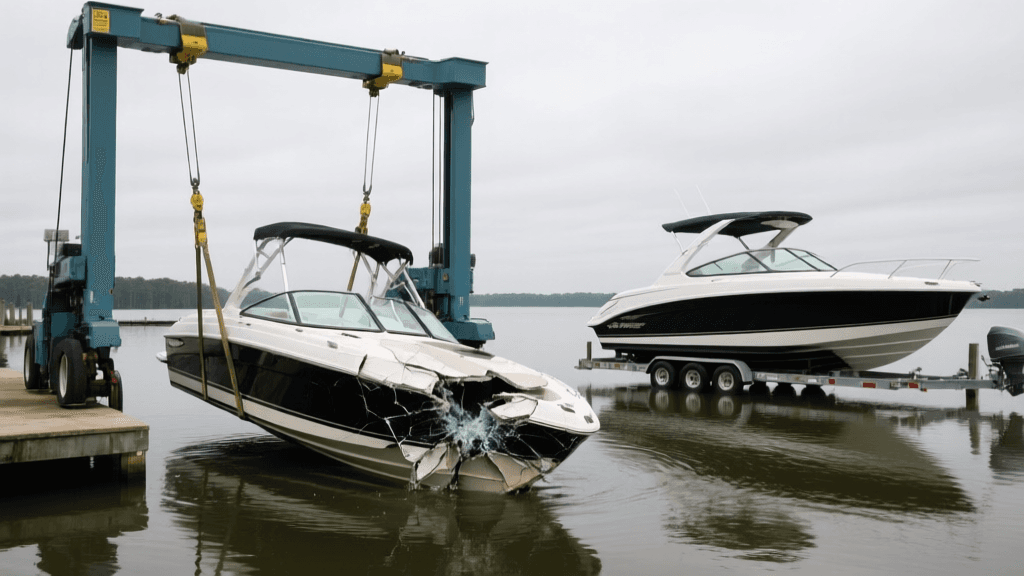
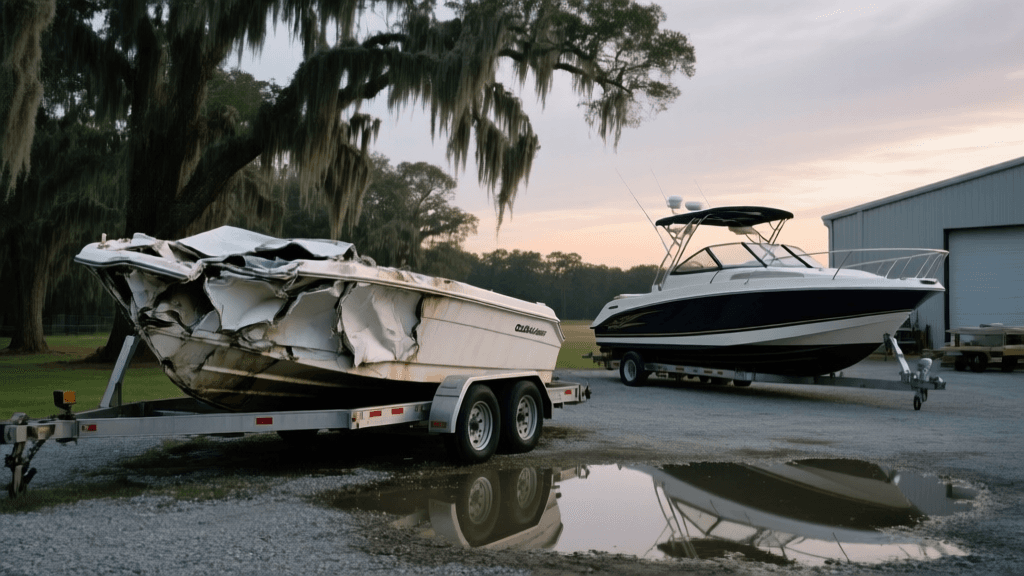
A total loss does not always mean an insurer will provide a new boat. Depending on the policy, a covered claim may be settled using an agreed value, actual cash value, or a replacement benefit with specific limits. Actual cash value generally considers depreciation, while agreed value is an amount selected when coverage is arranged; a replacement provision may have separate qualifications and time limits. These distinctions matter around Columbia because boats face varied use, from weekend outings on Lake Murray to storage, trailering, and seasonal maintenance. Ask how the policy defines a total loss, what valuation method applies, and whether replacement means a comparable vessel, a stated dollar amount, or another benefit.
Boat Age and Type Can Affect Qualification
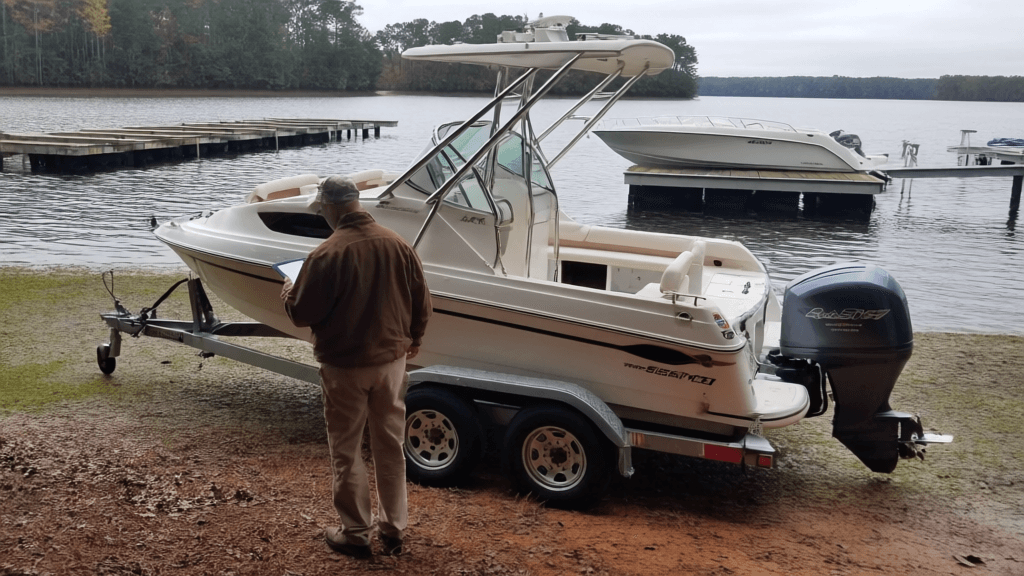
Many replacement benefits are designed for newer boats, so a vessel’s model year or age when coverage begins may determine whether it qualifies. Insurers can also distinguish among boats by construction, size, power, intended use, or whether the vessel is personal or used commercially. A newer pontoon, fishing boat, ski boat, or personal watercraft may not be assessed under identical rules. Before binding coverage, provide the exact year, make, model, hull identification number, engine details, and any major upgrades. If a boat is older, custom-built, modified, or difficult to value, ask whether agreed value or another settlement option is available instead of assuming replacement coverage applies.
Purchase Timing and Proof of Value
The date and circumstances of purchase may be important. Some policies require coverage to start within a stated period after buying a new boat, while others may require the boat to be new or nearly new when insured. A used boat purchased from a dealer, a private seller, or a family member may be subject to different documentation or valuation requirements. Keep the bill of sale, purchase contract, financing records, photographs, and receipts for installed equipment. If you bought the boat before requesting insurance, tell the insurer the actual purchase date and whether it has been previously insured. Clear, accurate records help establish the boat’s condition and value and make it easier to verify whether a replacement provision’s timing rules are met.
Ownership, Named Insureds, and Policy Conditions
The person or entity that owns the boat should be disclosed accurately on the application and reflected properly in the policy. Eligibility can become complicated when a boat is titled to one person but insured by another, jointly owned, held in a trust, or owned by a business. Lenders may also require specific coverage and to be listed as a loss payee, but that does not necessarily make the lender the owner for every policy purpose. Review who is listed as the named insured, where the boat is kept, who operates it, and whether the policy has navigation limits, maintenance duties, or other conditions. Ask the insurer how a change in ownership, storage, or use could affect a replacement benefit.
Local Considerations Around Columbia and Lake Murray
Columbia-area boating often involves trailering between home, storage, and Lake Murray, with exposure to storms, changing water conditions, and busy recreation periods. These details do not automatically determine replacement eligibility, but they can affect what information an insurer needs and which policy conditions deserve attention. Owners in Lexington, Chapin, Ballentine, Seven Oaks, and West Columbia should confirm that the policy accurately reflects the boat’s regular storage location and intended waters. Check any navigational area restrictions, storm-related duties, and requirements for securing or winterizing the vessel. A policy that fits a boat kept at a marina may not address every situation for a boat stored at home and transported by trailer.
Questions to Ask When Checking Eligibility
A Practical Eligibility Checklist
- Ask whether the policy includes total loss replacement, agreed value, or actual cash value settlement, and request a plain-language explanation of how each applies.
- Confirm any maximum boat age, eligible vessel categories, purchase-date requirements, enrollment deadlines, and benefit expiration dates.
- Verify that the owner, named insured, lender, boat description, engine details, and declared equipment are shown accurately.
- Ask what counts as a total loss, which causes of loss are covered, and whether deductibles or replacement limits reduce the benefit.
- Save the policy, bill of sale, photographs, maintenance records, and upgrade receipts so the boat’s identity, condition, and value can be documented.

What to Do Next
Start with the declarations page and the policy wording, then contact the insurer or agent listed on the policy to verify how the replacement provision works for your exact boat. Share its year, make, model, purchase date, ownership details, storage location, and intended use. Ask for answers about eligibility limits and claim valuation in writing, especially if the boat is used, older, jointly owned, financed, or modified. If you are comparing policies, review more than the premium: consider deductibles, covered causes of loss, navigation limits, liability protection, and how equipment is valued. A careful review can help Columbia-area boaters understand what protection they have before heading out on Lake Murray.
Review Your Boat’s Replacement Eligibility
Gather your boat and purchase details, then ask an insurer to explain the applicable replacement and total loss terms.
Get a Free Quote