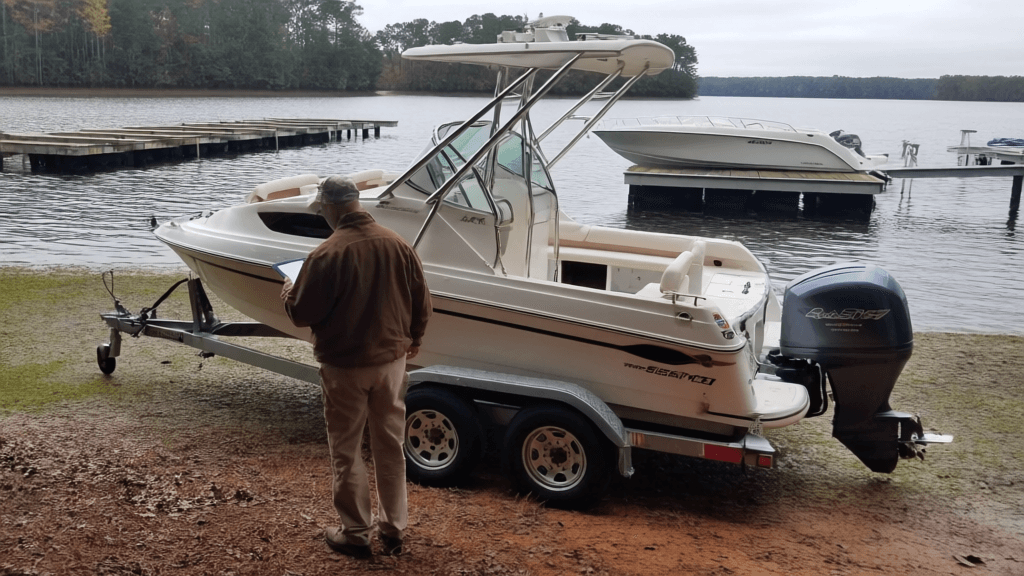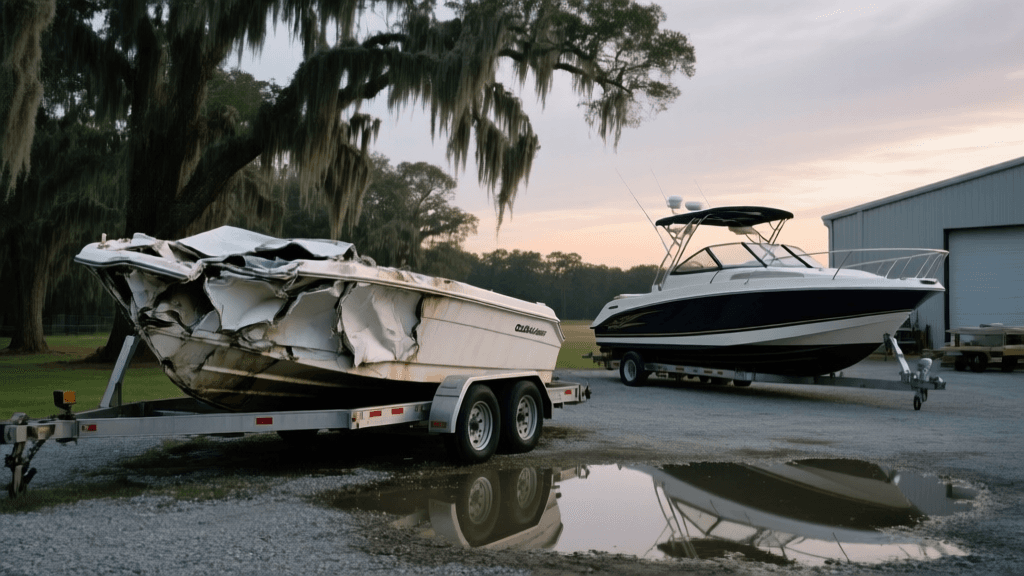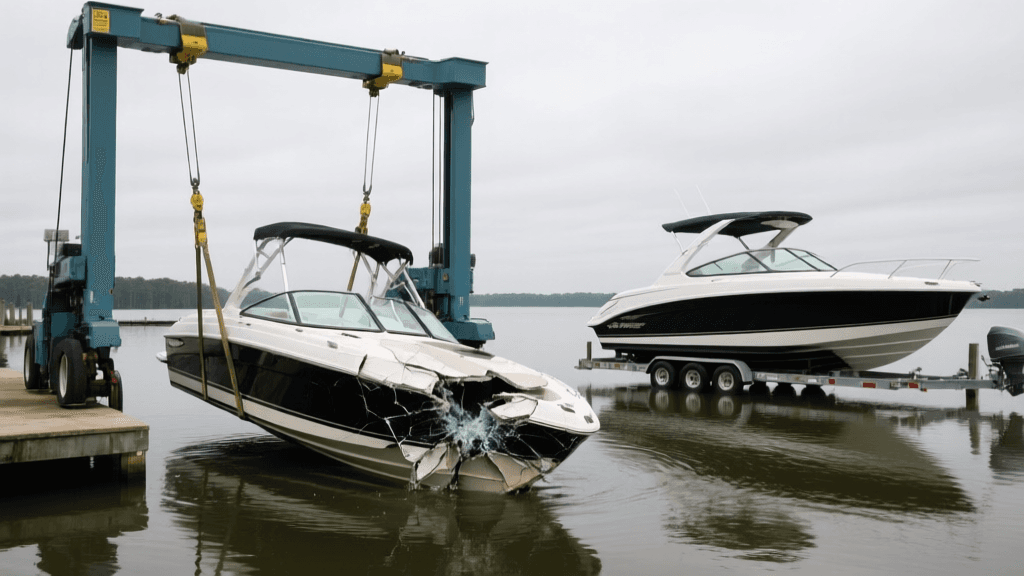
What Boat Total Loss Replacement Means
If a covered accident, fire, theft, or other insured event destroys your boat, the settlement method can shape what you can afford next. Boat total loss replacement coverage may provide funds toward a comparable replacement under conditions stated in the policy. It is not automatically included in every boat policy, and the term can describe different benefits depending on the insurer. For Columbia owners who keep a boat on Lake Murray or trailer it between home and the water, understanding the wording before a loss can prevent surprises. This guide explains how replacement coverage works, how it compares with other settlement methods, and which details to confirm.
Why Settlement Method Matters
A boat’s market value can change with age, use, maintenance, equipment, and local demand. A standard actual cash value settlement generally considers depreciation, so the amount may be lower than the price of buying a similar boat today. Replacement coverage may reduce that gap, but it does not necessarily mean an unrestricted new-boat purchase. The insurer may require a particular model year, comparable specifications, or replacement within a stated period. In the Columbia area, a loss during peak boating season can also make comparable boats harder to find or more expensive. Reviewing settlement language ahead of time gives owners a clearer idea of whether available funds could support a practical replacement.
How Replacement Settlements May Work
After a reported loss, the insurer investigates whether the damage qualifies as a total loss under the policy and determines the boat’s insured status, value, and applicable limits. With an eligible replacement benefit, the settlement may be based on the cost of a comparable boat rather than only its depreciated value, subject to the policy’s formula and maximum payment. Some policies require the owner to purchase or replace the boat before releasing all benefits; others may first pay an agreed or actual cash value amount and consider additional funds after documentation. Keep purchase records, photographs, maintenance receipts, and equipment lists together. These records can help establish the boat’s condition and distinguish covered equipment from items that were not insured.
Replacement Coverage Compared With Actual Cash Value
Actual cash value usually reflects the boat’s value immediately before the loss, including depreciation and condition. Replacement cost or replacement-value language may instead focus on the amount needed to obtain a similar boat, but definitions vary and may include limits, deductibles, or a requirement to replace the vessel. Agreed value is another common approach: the insurer and owner establish a stated amount when the policy begins, with the contract explaining how that amount applies after a covered total loss. These terms are not interchangeable. For example, an older boat with custom electronics may have a settlement that does not automatically include every upgrade. Ask how the policy values the hull, motor, trailer, and listed accessories separately.
Eligibility, Boat Age, and Policy Conditions
Replacement benefits commonly have eligibility rules, and the details can vary by insurer. A policy may limit the benefit to boats below a certain age, in a specified condition, or within a particular category or value range. It may also require continuous coverage, an approved survey, accurate hull and engine information, or a documented purchase date. Modifications, a change in ownership, commercial use, or a change in where the boat is stored may affect eligibility or coverage. Before renewing or buying a policy, ask whether the benefit applies to the hull, motor, trailer, and permanently installed equipment, and whether optional accessories require separate scheduling. Request clear explanations of exclusions and the deductible that would apply.
Timing and Documentation After a Loss
Deadlines can matter as much as the settlement formula. A policy may require prompt notice, cooperation with the investigation, and completion of replacement within a stated number of days or months. If you wait to report a theft, dispose of damaged property before inspection, or miss a replacement deadline, the claim process may become more difficult. Contact the insurer as soon as it is safe, follow instructions for protecting the remaining property, and keep copies of claim communications. Do not assume that a verbal estimate changes the written policy requirements. If a boat is stored at a marina or on a trailer around Columbia, record the location, date, and circumstances of the loss and gather any available incident or law-enforcement report.
What Columbia-Area Owners Should Consider
Columbia boaters often use Lake Murray, with access points and communities around Lexington, Chapin, Ballentine, and other nearby areas. Where a boat is kept, how it is transported, and whether it is used on other waterways can be relevant details for underwriting and claims. Summer storms, high winds, collision risks, theft exposure, and storage arrangements are practical reasons to review the full policy rather than focusing only on the replacement label. Confirm that the insurer has the correct garaging or mooring information and that the stated navigation area matches actual use. Owners in West Columbia, Cayce, Forest Acres, and surrounding communities should also verify trailer coverage and roadside or towing provisions if the boat is regularly moved.
A Useful Policy Review Checklist
Details to Confirm Before You Need Them
- Identify whether the settlement basis is actual cash value, agreed value, or a replacement benefit, and ask for the contract definition in writing.
- Check boat-age limits, eligibility requirements, deductibles, payment caps, and any deadline for purchasing a replacement.
- Confirm that the hull, motor, trailer, and valuable installed equipment are listed or covered as intended.
- Keep current photographs, serial numbers, purchase documents, survey reports, and receipts for upgrades in a secure place.
- Report changes in ownership, use, storage, mooring, or navigation plans so the policy information remains accurate.

Steps to Take When Comparing Coverage
When comparing boat policies, look beyond the premium and ask for a sample explanation of how a total loss would be settled for your specific vessel. Provide the boat’s year, make, model, hull identification number, motor details, trailer information, and upgrades so the comparison reflects the actual risk. Ask what would happen if a comparable replacement is unavailable, whether you must spend your own funds before receiving any additional benefit, and how depreciation applies to individual components. Read exclusions and claim duties alongside the declarations page. A well-matched policy should make the settlement method understandable before a claim, not leave key questions until after a loss.
Next Steps for Lake Murray Boat Owners
Start by locating your current policy and finding the sections on physical damage, total loss, valuation, replacement, and claim duties. Make a short inventory of the boat and major equipment, then compare those details with the policy schedule. If wording is unclear, request a plain-language explanation and ask the insurer to identify relevant limits and deadlines in writing. Columbia-area owners can use that information to compare options suited to their boat’s age, value, storage, and Lake Murray use. Coverage terms differ, so confirm the exact contract provisions before making a decision; a brief review now can make a stressful claim process more predictable.
Review Your Boat’s Total Loss Terms
Compare settlement methods, eligibility rules, and deadlines before choosing coverage for your Columbia-area boat.
Get a Free Quote