What Boat Pollution Liability Means for Columbia Boaters
Boat pollution liability concerns the costs and legal responsibility that may follow when fuel, oil, or another harmful substance accidentally enters the water. A small spill can spread quickly, affect other boats or shoreline areas, and require a response beyond simply wiping down a deck. For boaters in Columbia, this matters on Lake Murray, where marinas, launch ramps, coves, and busy summer weekends can bring vessels into close quarters. The exact responsibility depends on the cause of the release, applicable law, and the wording of the boat policy. This guide explains the questions to ask before an incident occurs and the practical steps that can limit the chance of one.
Why Even a Small Release Can Become a Serious Problem
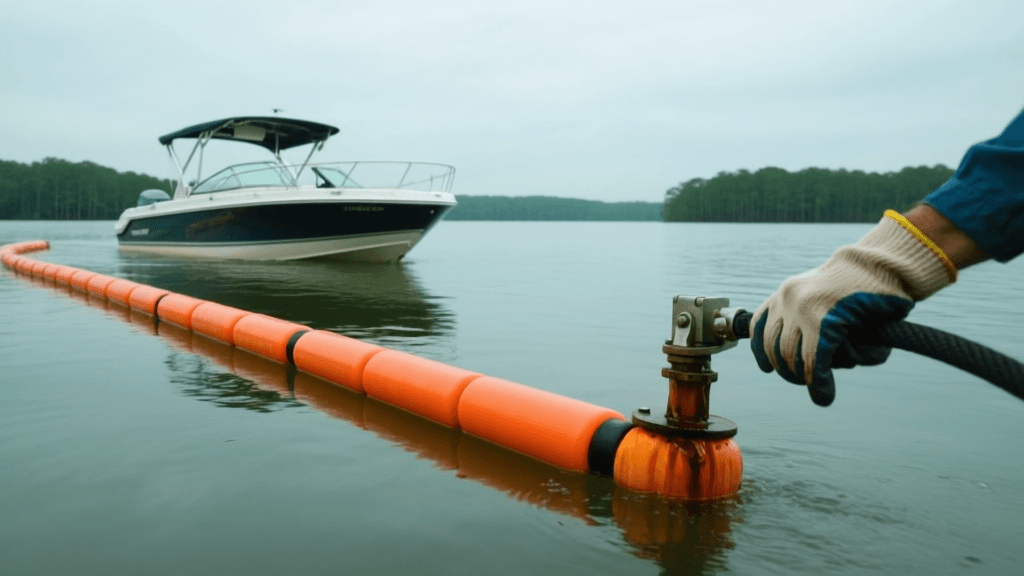
Pollution incidents do not always look like a dramatic fuel slick. A loose fuel line, an overfilled tank, a damaged engine component, or oily bilge water discharged overboard can create a reportable concern and prompt containment or cleanup. A spill near a dock may also affect neighboring vessels, marina equipment, or shoreline property. On Lake Murray, changing wind and boat traffic can carry a sheen away from its source before the operator understands what happened. Response expenses can include spill-control materials, professional cleanup, disposal, and investigation, while separate claims may arise from damage to another person's property. Do not assume that a minor-looking release is automatically harmless or that ordinary boat liability pays every related cost.
Know Which Incidents Your Policy Actually Addresses
A policy's coverage grant, definitions, limits, and exclusions all matter. Some boat policies may provide a specific pollution-liability benefit, while others may address only certain accidental discharges or impose a separate sublimit. The word pollution can be defined broadly, and a policy may treat fuel, lubricants, sewage, or other substances differently. Read whether coverage applies to sudden and accidental releases, cleanup costs, third-party bodily injury, property damage, or all of these. Also check whether the policy requires prompt notice, cooperation with an approved response provider, or prior approval before incurring expenses. Ask for the relevant wording in writing rather than relying on a summary or assuming that general liability language includes spill cleanup.
How Exclusions and Limits Can Change the Outcome
Exclusions can narrow protection even when a policy mentions pollution liability. Wording may distinguish accidental events from gradual leakage, routine maintenance issues, intentional discharge, or a release connected with a particular substance or operation. A deductible, per-occurrence limit, or pollution sublimit may also leave the owner responsible for part of the expense. Consider a Columbia-area boater who discovers a slow fuel leak after tying up at a crowded marina: the insurer may need to determine when the leak began, what caused it, and whether the policy conditions were followed. Keep maintenance records, photographs, and receipts, and ask how the policy treats cleanup ordered by a public authority versus voluntary cleanup. Only the actual contract and the facts of a claim determine whether coverage applies.
What to Do if Fuel or Oil Reaches the Water
If a release occurs, put personal safety first and avoid starting engines or taking actions that could spread vapors or fuel. Stop the source only if it is safe to do so, alert people nearby, and use onboard absorbent materials when appropriate and without putting anyone at risk. Contact the marina or relevant emergency and environmental authorities as the situation requires; do not assume that a spill can be ignored because it appears small. Notify the insurer promptly using the policy's claims instructions, and document the time, location, suspected source, weather, actions taken, and people contacted. Avoid making promises about payment or liability before the facts are established. Follow instructions from responders and the insurer, and keep records of any authorized cleanup work.
Local Considerations Around Columbia and Lake Murray
Columbia boaters often use Lake Murray access points and marinas for fishing, watersports, and weekend outings, so fueling and docking habits can affect nearby boaters as well as the shoreline. Busy periods increase the value of checking hoses, caps, vents, and bilge areas before departure and after refueling. The same questions matter for residents traveling from Lexington, Chapin, Ballentine, West Columbia, Cayce, Forest Acres, and nearby communities: where will the boat be used, stored, and fueled, and what response resources are available at those locations? Requirements and reporting procedures can depend on the incident and the authority involved. Check current guidance from relevant agencies and marina operators rather than relying on hearsay, and make sure emergency contact information is accessible while underway.
Practical Ways to Reduce Spill Risk
Prevention and Policy Review Checklist
- Inspect fuel lines, clamps, tanks, and connections for wear or leaks before launching and after maintenance; replace damaged parts promptly.
- Refuel carefully, avoid topping off, and keep absorbent pads available near the fueling area to catch drips before they reach the water.
- Check the bilge for unusual fuel or oil odors and never pump oily bilge water overboard; identify and fix the source instead.
- Ask the insurer to explain pollution definitions, cleanup-cost coverage, exclusions, limits, deductibles, reporting duties, and approved response procedures.
- Keep maintenance documents, policy details, emergency contacts, and spill-response supplies aboard and easy to access.

Next Steps: Review Coverage Before Your Next Outing
Before heading out from Columbia or another Lake Murray community, review the policy itself and confirm how it handles accidental fuel and oil releases. Ask for clear answers about cleanup expenses, third-party claims, sublimits, exclusions, notice deadlines, and whether the insurer must approve a response contractor. Compare those terms with how and where the boat is used, including marina fueling, storage, and any trips beyond the lake. If wording is unclear, request an explanation from a qualified insurance professional and keep the response with the policy documents. A few minutes of review, combined with sound maintenance and careful fueling, can help a boat owner make informed decisions before an incident creates urgent questions.
Make Pollution Coverage Part of Your Boat Insurance Review
Compare policy wording and ask how accidental spill cleanup, liability limits, and exclusions apply to the way you boat around Columbia.
Get a Free Quote