Why the Difference Matters to Columbia Boaters
If your boat is damaged, the cause of the loss can matter as much as the repair estimate. Collision coverage generally applies when the insured boat strikes another object or another vessel, while comprehensive coverage typically addresses certain non-collision losses, such as theft, fire, or some storm damage. These are broad descriptions, not guarantees: the policy wording, exclusions, deductible, and any special endorsements control. For boaters in Columbia, the distinction is especially useful when planning outings on Lake Murray, trailering a boat to a launch, or storing it between seasons. Understanding the two categories can help you ask focused questions and avoid assuming that every kind of damage is covered.
How Lake Murray Use Shapes Coverage Questions
Lake Murray brings together busy ramps, open-water recreation, coves, marinas, and changing weather, so boats face more than one kind of exposure. A contact with a dock or another boat is a different claim scenario from a lightning strike or a stolen outboard, even if both leave the same vessel unusable. The boat’s use and location may also matter: policies can define where coverage applies, how the boat must be secured, and whether protection continues while it is stored or trailered. Before the boating season, review the declarations page and policy definitions. Confirm the insured boat, motor, trailer, listed operators, navigation area, and coverage limits match how you actually use the vessel.
Collision Coverage: Impact With an Object or Vessel
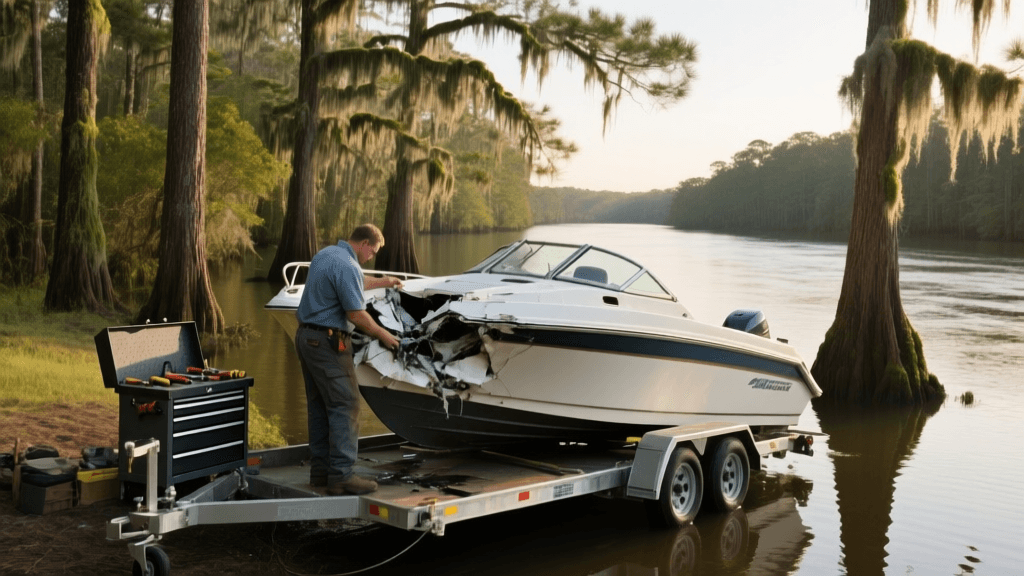
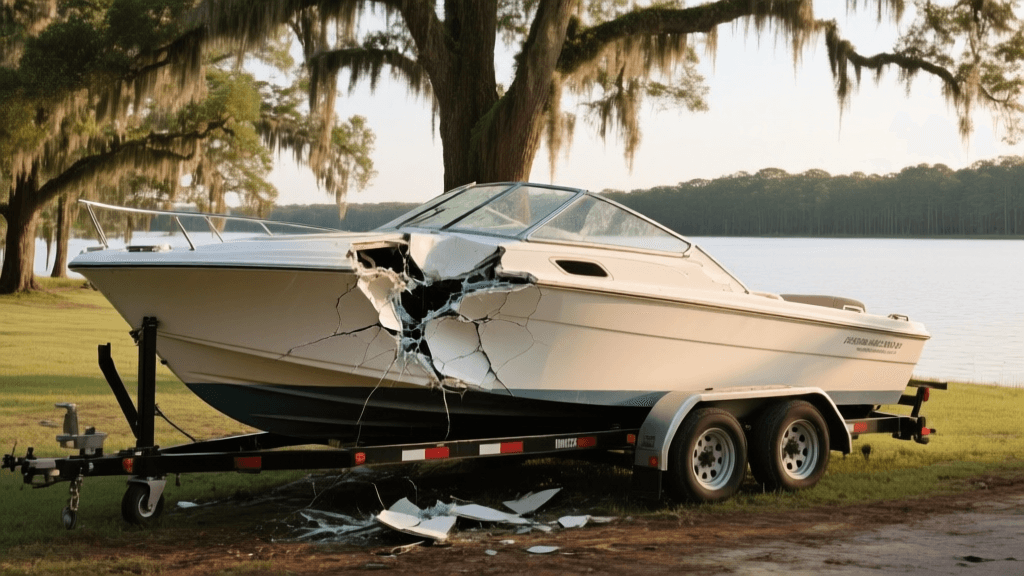
Collision coverage is commonly intended for direct physical damage when a boat collides with another vessel or an object, subject to the policy’s terms. For example, a Columbia-area boater could misjudge distance while docking and strike a piling, or encounter another boat near a crowded launch. Damage from hitting a submerged object may also raise a collision question, but the policy’s wording and facts of the incident matter. Collision protection is usually subject to a deductible, which is the amount the policyholder pays toward a covered loss. Check whether the deductible is a flat amount or a percentage, and ask how the insurer determines the boat’s value and repair method after a substantial loss.
Comprehensive Coverage: Theft, Fire, and Other Non-Collision Losses
Comprehensive coverage generally refers to certain physical losses that do not result from a collision. Depending on the contract, examples may include theft, fire, vandalism, or damage from a covered weather event. If an outboard disappears from a secured boat near Chapin, or a boat is damaged by a fire while stored, comprehensive coverage may be relevant. A storm-related claim can be more complicated: wind, hail, falling limbs, or water intrusion may be treated differently, and some causes or circumstances may be excluded. Keep purchase records, serial numbers, current photographs, and storage details. These records can help document what was aboard and its condition, though they do not change the policy’s coverage terms.
Storm Damage and Exclusions Require a Closer Look
It is tempting to assume that comprehensive coverage pays for any damage caused by bad weather, but that assumption can lead to surprises. Policies may distinguish among wind, hail, flooding, neglect, wear and tear, or damage that occurs while a boat is unattended or improperly secured. They may also set requirements for storm preparation, storage, or notice of a loss. A boat kept at a marina, stored at home in Lexington, or left on a trailer near West Columbia may face different practical risks, but the contract remains decisive. Read the exclusions and duties after a loss, and ask for clarification about named storms, water damage, and whether the policy applies while the boat is ashore or being transported.
Compare Deductibles, Limits, and Valuation
Two policies can use the same coverage names and still produce different results. Compare the comprehensive and collision deductibles separately, along with the insured value, maximum payout, and treatment of accessories, electronics, motors, and trailers. Ask whether a total loss is settled using agreed value, actual cash value, or another method stated in the contract. Agreed value generally identifies a value set when the policy is issued, while actual cash value commonly accounts for depreciation; precise definitions and settlement rules vary. Also check whether a higher deductible lowers the premium enough to be worthwhile for your budget. A low premium is not a useful comparison unless you understand what you would pay after a covered claim.
Local Considerations Around Columbia
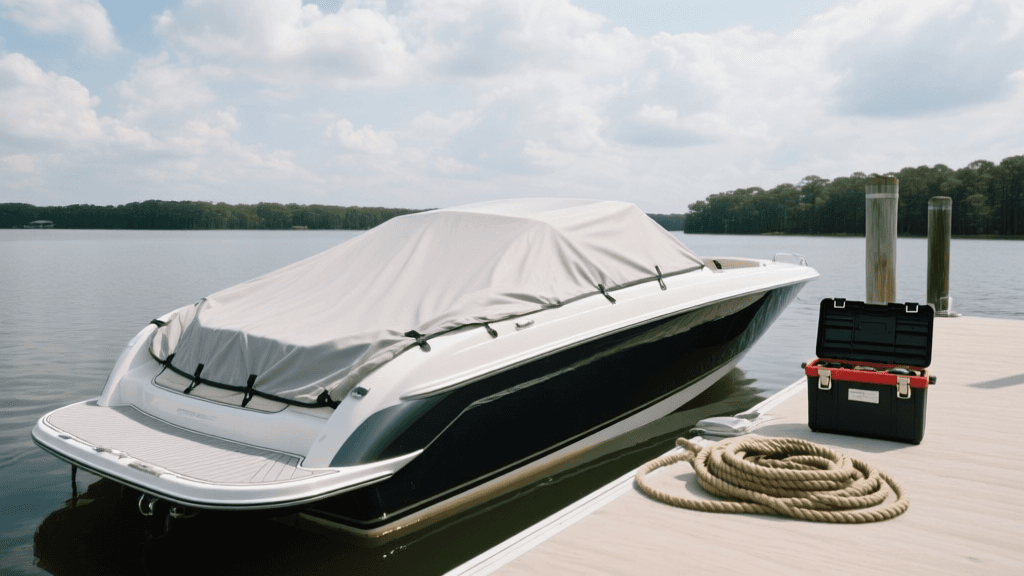
Boaters based in Columbia may use Lake Murray facilities near Chapin, Ballentine, and other shoreline communities, while others travel from Forest Acres, Cayce, or Blythewood with a boat in tow. That routine creates several moments to check coverage: leaving a vessel at a marina, launching in a busy area, moving it on public roads, and storing it during colder or stormier periods. Do not assume a boat policy automatically covers every trip, location, operator, or accessory. Ask whether the stated navigation area includes your planned waters and whether coverage changes during transport or storage. If you boat beyond Lake Murray, confirm that the policy’s geographic limits still fit your itinerary.
A Practical Review Before the Next Outing
Questions to Ask When Reviewing Boat Coverage
- What events does the policy define as a collision, and how does it handle impact with submerged objects, docks, or other boats?
- Which non-collision losses are included, and what exclusions apply to theft, fire, wind, hail, flooding, or vandalism?
- What are the separate comprehensive and collision deductibles, and how are accessories, motors, and trailers valued?
- Does coverage apply at Lake Murray, at a marina or home storage location, and while the boat is being trailered?
- What steps must be taken after a loss, including prompt notice, photographs, police reports for theft, and protecting the boat from further damage?

What to Do After Boat Damage
After an incident, put safety first and take reasonable steps to prevent further damage without putting anyone at risk. Record the date, location, conditions, and sequence of events; photograph the boat and surrounding area; and keep receipts for emergency work. For theft or suspected vandalism, report the incident to the appropriate authorities and preserve any relevant records. Contact the insurer promptly using the process described in the policy, and avoid authorizing extensive repairs before understanding any inspection or estimate requirements. Describe the facts accurately rather than trying to label the event as comprehensive or collision yourself. The insurer will assess the circumstances against the contract, and clear documentation can make that review more straightforward.
Next Steps: Match Coverage to Your Boating Routine
Start with the boat’s value, where it is kept, who operates it, and how often it is used on Lake Murray or other waters. Then compare comprehensive and collision limits, deductibles, exclusions, and valuation terms side by side rather than focusing only on the premium. If a phrase in the contract is unclear, ask for an explanation in writing and keep the response with your policy documents. A coverage comparison is most useful when it reflects your actual boat, equipment, storage, and travel plans in Columbia, Lexington, Chapin, and nearby communities. Reviewing these details before the season—and again after a major purchase or change in use—can help you make a more informed insurance decision.
Review Your Boat Coverage Before Launch
Compare policy definitions, deductibles, limits, and exclusions so your coverage matches the way you boat around Columbia.
Get a Free Quote