Why Boat Deductibles Deserve a Close Look
A boat insurance deductible is the amount you pay toward a covered claim before the policy pays its share. For Columbia boaters, choosing that amount is more than a way to adjust a premium: it is a decision about how much of an unexpected repair bill your household can absorb. A dockside scrape, storm-related damage, or collision can produce very different claim costs, and the deductible may apply differently depending on the cause and policy wording. Before boating season, compare comprehensive and collision deductibles separately, check how each affects your premium, and consider whether your emergency savings could cover the amount you select.
What Comprehensive and Collision Usually Cover
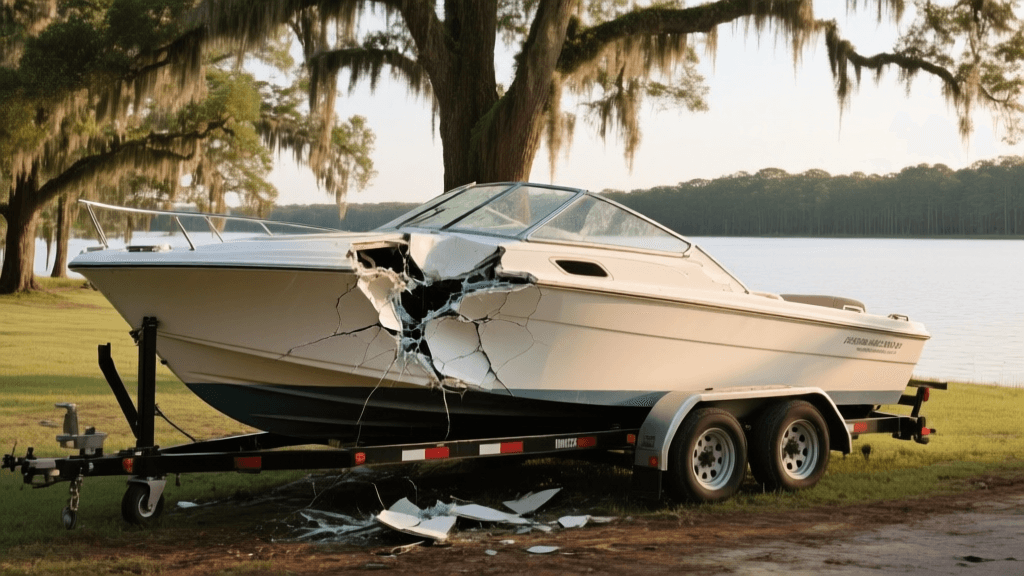
Collision coverage generally applies to sudden impact damage involving your boat, such as striking another vessel, a fixed object, or a submerged obstruction, subject to the policy terms. Comprehensive coverage generally addresses specified non-collision losses, which may include theft, fire, vandalism, or certain weather-related damage. These are broad descriptions, not guarantees: exclusions, limits, navigation areas, and claim conditions vary by policy. A Columbia owner whose boat is damaged while maneuvering at a crowded ramp may be dealing with a collision claim, while storm damage to a moored boat may be considered under comprehensive coverage. Confirm the actual definitions and deductible application in the policy contract.
Balance Premium Savings Against Claim Costs
A higher deductible can lower the premium, but it also raises the amount you must pay when a covered loss occurs. A lower deductible typically means a higher premium and less out-of-pocket expense on an eligible claim. To compare options, ask for quotes with several deductible levels and calculate the annual premium difference. Then consider how many years of savings it would take to equal the additional amount you would owe after a claim. For example, a modest yearly discount may not justify choosing a deductible that would be difficult to pay immediately after a repair estimate arrives. Choose based on a realistic budget, not the largest possible discount.
Review Comprehensive and Collision Separately
Do not assume a policy uses one deductible for every type of boat damage. Comprehensive and collision may have different amounts, and special terms can apply to particular equipment, trailers, or loss circumstances. Ask the insurer to show each deductible beside the coverage it affects, then request examples of how a hypothetical covered claim would be settled. If a claim involves more than one kind of damage, ask how the policy determines which deductible applies; the answer depends on its wording and the facts of the loss. This review helps avoid surprises and makes it easier to compare two policies that appear similar based only on their total premiums.
Set Deductibles Around Your Boat and Your Budget
The right deductible depends partly on the boat’s age, condition, value, and the savings available for repairs. A newer or higher-value boat may involve larger repair bills, while an older boat may have a different relationship between repair costs and its insured value. Consider what you could pay promptly without using high-interest credit or disrupting essential expenses. Also think about how often you use the boat and where it is stored. A boat kept in a secure location may present different exposures from one regularly trailered, launched, and used in busy areas. These considerations do not predict whether a claim will occur, but they help make the deductible decision practical.
Columbia and Lake Murray Factors to Consider
Columbia boaters often make Lake Murray part of their recreation plans, with busy ramps, marinas, docks, and changing weather all worth considering when reviewing coverage. Congestion can increase the chance of low-speed contact while launching or maneuvering, while wind and storms can create separate damage concerns for boats left in the water or stored ashore. Owners in Lexington, Chapin, Ballentine, and nearby communities may have different storage and transport routines, but should still verify that the policy’s navigation territory and storage conditions match how the boat is actually used. Ask whether the policy has storm-related restrictions, protective-device requirements, or special terms for named storms; do not assume these details are identical across insurers.
Check the Insured Value Before the Season
A deductible is only one part of a claim calculation. The insured value and the policy’s loss-settlement method can also affect what is paid after a covered loss. Review the listed value of the boat, motor, trailer, and eligible equipment, and ask whether the policy uses agreed value, actual cash value, or another settlement approach. These terms can affect how depreciation and the maximum payment are handled, depending on the contract. Make sure listed equipment and recent upgrades are accurately described, and keep receipts, photographs, and serial numbers where available. Updating the policy before spring outings can help ensure that the information reflects the boat you own now rather than an earlier setup.
A Practical Deductible Review
- Request premium comparisons for multiple comprehensive and collision deductible combinations, and record the annual cost difference.
- Choose an amount you could pay from available savings soon after a covered claim without compromising essential bills.
- Confirm which losses each deductible applies to and ask how the policy handles a claim involving multiple kinds of damage.
- Verify the insured values, settlement method, listed equipment, storage details, and navigation territory before the boating season.
- Read exclusions and storm-related conditions, and ask for clarification of any term that could affect a Lake Murray outing.

Compare Options Before You Launch
Before boating season, gather your current declarations page, boat and equipment details, and any recent repair or upgrade records. Compare at least a few deductible combinations, but evaluate the coverage limits, exclusions, settlement terms, and service process alongside the premium. If a quote is unclear, ask for a written explanation of how a sample comprehensive claim and a sample collision claim would be handled, including the deductible and any limits. Boat owners around Columbia, West Columbia, Cayce, and Lake Murray can use the same checklist even when storage and launch routines differ. A careful review helps you select terms that fit your finances and actual boating habits rather than choosing a deductible by price alone.
Review Your Boat Coverage Before the Next Outing
Compare deductible options and confirm your boat’s insured value, equipment, and policy terms before the season gets underway.
Get a Free Quote