What Comprehensive and Collision Coverage Mean
Comprehensive and collision coverage are two ways a boat policy may help pay for damage to your vessel. Collision generally applies when the boat strikes another boat or object, or overturns. Comprehensive, sometimes called other-than-collision coverage, generally applies to specified non-collision events such as theft, fire, vandalism, or certain weather damage. The exact definitions and covered causes vary by policy, so the names alone do not settle whether a loss is insured. For boat owners in Columbia, understanding the distinction matters before launching on Lake Murray, trailering through town, or storing a vessel between outings.
Why the Difference Matters Around Columbia
Lake Murray attracts boaters from Columbia, Lexington, Chapin, Ballentine, and nearby communities, and busy recreation can bring different kinds of risks. A boat that contacts a dock while maneuvering may present a collision claim, while damage from a falling tree limb during storage may fall under comprehensive coverage if the policy includes that cause. Summer storms, crowded launch areas, and time spent on the road with a trailer all make it useful to review both coverages. Neither type is a blanket promise to pay: insurers assess the cause of loss, policy wording, exclusions, limits, and documentation.
How Collision Coverage May Apply
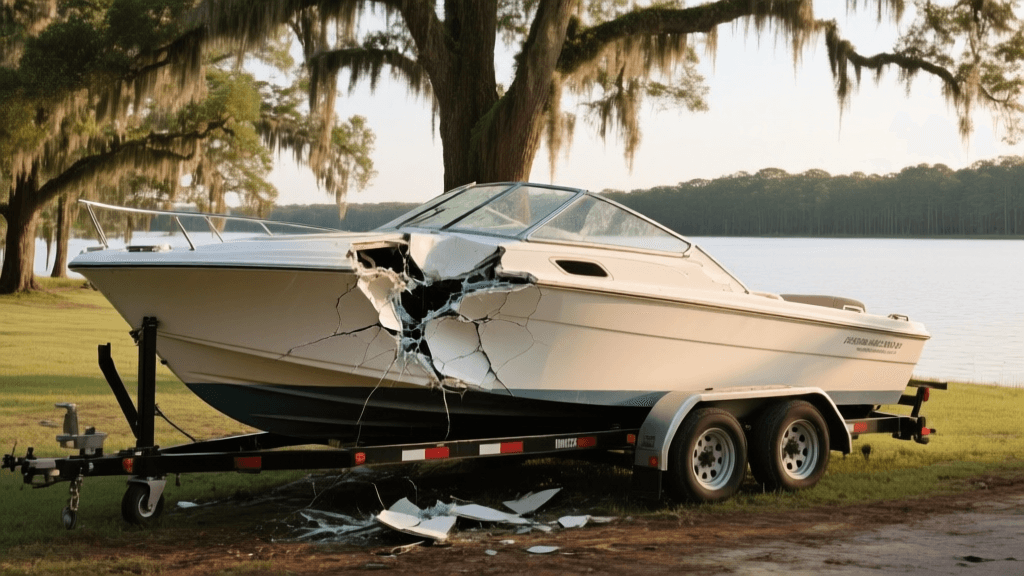
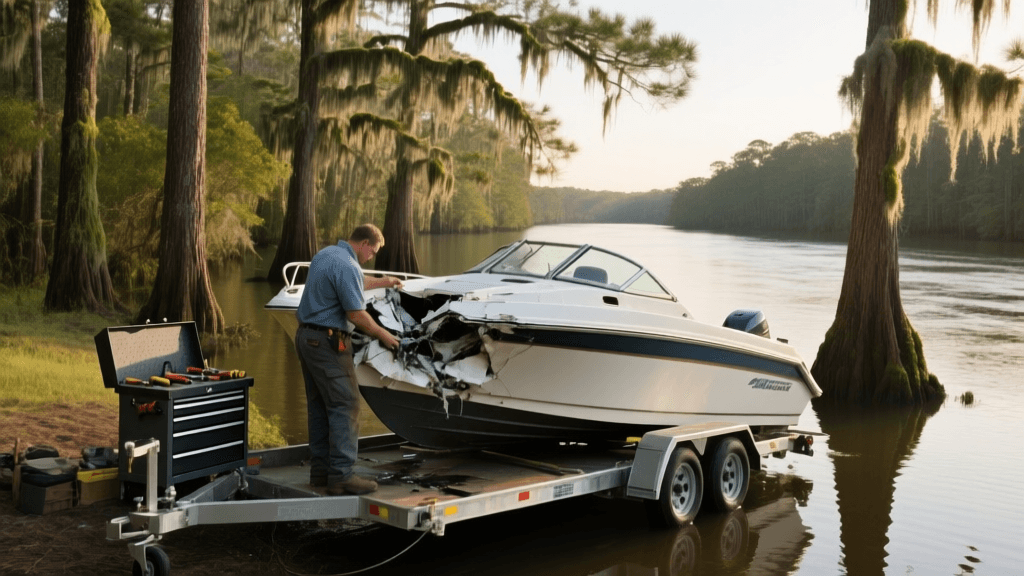
Collision coverage is designed for accidental impact or overturning, subject to the policy terms. Imagine a Columbia-area boater misjudges distance while approaching a dock and damages the hull, or a boat hits a submerged object while underway. Collision may help pay for covered repairs after the deductible, up to the applicable limit and valuation terms. A collision with another vessel may also involve liability questions, which are separate from repairing the insured boat. Record the date, location, visible damage, and circumstances; take photographs when safe; and notify the insurer promptly. The policy may require an inspection or specific claim steps before repairs begin.
How Comprehensive Coverage May Apply
Comprehensive coverage may address covered damage that does not result from a collision. Depending on the contract, examples can include theft, fire, vandalism, or damage from certain storms. If a secured boat in Forest Acres or West Columbia is stolen, or a covered fire damages a vessel in storage, comprehensive may be relevant. Weather wording deserves special attention: policies can define wind, hail, flooding, and named-storm losses differently, and some events may be excluded or limited. Keep proof of ownership, serial numbers, purchase records, and recent photographs in a safe place. These details can help establish what was damaged or missing if a claim occurs.
Deductibles, Limits, and the Cost of a Claim
A deductible is the amount the policyholder pays toward a covered loss before the insurer pays its share. Boat policies may use separate deductibles for comprehensive and collision, and some may calculate them as a fixed dollar amount or a percentage of the insured value. A higher deductible can reduce the premium but leaves more of a repair bill to pay after a claim. Check whether deductibles differ for theft, storm damage, or other categories, and whether a trailer, motor, electronics, or personal belongings have separate limits. Compare the policy’s stated value or actual-cash-value settlement approach too, because it can affect the amount available after a major loss.
Exclusions and Situations That Need Extra Attention
A policy may exclude or restrict damage related to wear and tear, gradual deterioration, corrosion, lack of maintenance, faulty workmanship, or mechanical breakdown. Some policies distinguish sudden accidental damage from a problem that developed over time. Coverage may also depend on who was operating the boat, whether the operator met policy requirements, and whether the vessel was used in an allowed way. Read rules for winter storage, navigation areas, towing, and storm preparation, especially if the boat moves between Lake Murray and other waters. If a clause is unclear, ask for an explanation in writing and confirm how the stated scenario would be handled before relying on an assumption.
Local Considerations for Lake Murray Boat Owners
Columbia boat owners often keep vessels at home, at a marina, or near Lake Murray, while others tow boats from Lexington, Chapin, Cayce, Blythewood, or surrounding neighborhoods. Each setup creates different questions: Is the trailer included? Does coverage apply while the boat is being transported? Are theft precautions or storage conditions required? Does the policy cover the areas where the boat will actually travel? Lake conditions and seasonal storms can also influence storage and maintenance decisions. Check the policy’s navigation limits and any storm-related duties, then make sure the boat’s location, equipment, motor, and value are accurately described when applying or renewing.
A Practical Coverage Review Checklist
Questions to Ask Before Choosing Coverage
- Confirm which causes of loss are included in comprehensive and collision, and request clarification for realistic examples such as dock impact, theft, fire, or storm damage.
- Compare each deductible with the amount you could comfortably pay out of pocket, including any percentage-based or special deductibles.
- Check valuation terms and limits for the hull, motor, trailer, electronics, and personal property rather than assuming every item shares one limit.
- Review exclusions, operator requirements, navigation boundaries, storage rules, and claim-reporting duties before the boat is launched or transported.

Next Steps for Comparing Boat Coverage
Start by gathering the boat’s year, make, model, hull identification number, motor details, purchase information, and current photographs. Note where it is stored, how it is transported, and which waters it will frequent. Then compare policy wording, not just premium: look at comprehensive and collision deductibles, settlement method, coverage limits, exclusions, and claim conditions side by side. A licensed insurance professional can explain how a particular contract treats a scenario, but only the issued policy determines coverage. Reviewing these details before a trip or renewal gives Columbia-area boaters a clearer picture of which losses may be covered and what costs could remain their responsibility.
Compare Your Boat Coverage With Confidence
Review policy terms, deductibles, and limits before your next Lake Murray outing.
Get a Free Quote