What Boat Hull Coverage Means for Columbia Boaters
Boat hull coverage is physical damage protection for the insured boat and, depending on the policy, attached equipment and other listed property. It may help with covered losses from events such as a collision, fire, theft, or certain kinds of storm damage. For Columbia boaters, this matters whether a vessel spends weekends on Lake Murray or is stored near home between outings. A bent propeller, damaged hull, or fire can create substantial repair bills, but coverage is not automatic for every incident. The policy’s covered causes of loss, limits, deductible, and exclusions determine what the insurer may pay.
Why Lake Murray Conditions Deserve a Closer Look
Lake Murray brings busy weekends, changing weather, docks, coves, and varied water depths into the same boating environment. A skipper may encounter another vessel in a crowded channel, a floating object after rough weather, or an unfamiliar shallow area while exploring a cove. These situations can lead to damage to the hull, lower unit, or steering equipment. Storms can also create risks while a boat is moored or trailered, although the policy language determines whether a particular weather loss is covered. Columbia-area owners should consider where the boat is used, stored, and transported when reviewing coverage rather than assuming every policy treats all locations alike.
Damage From Collisions, Groundings, and Floating Objects
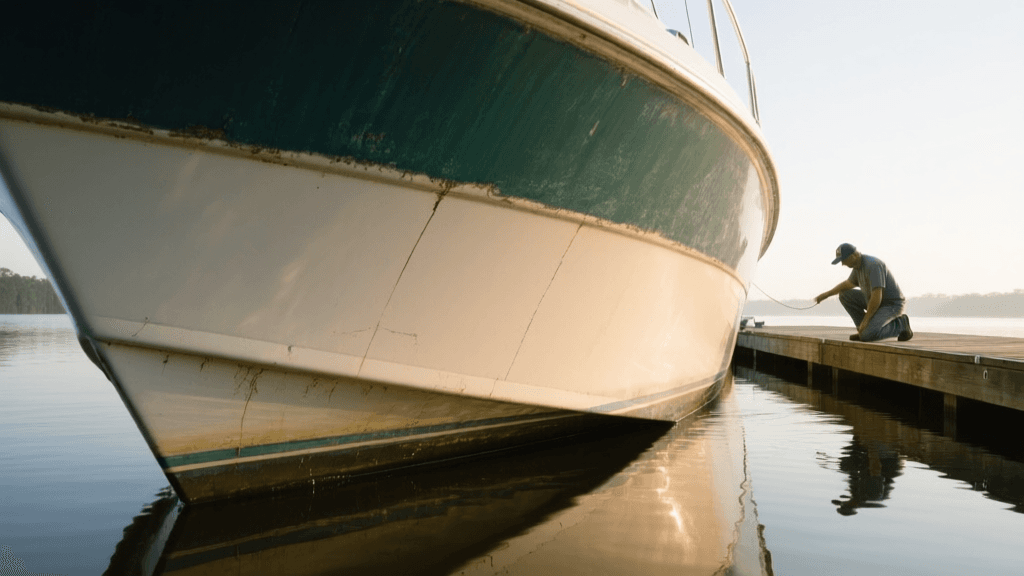
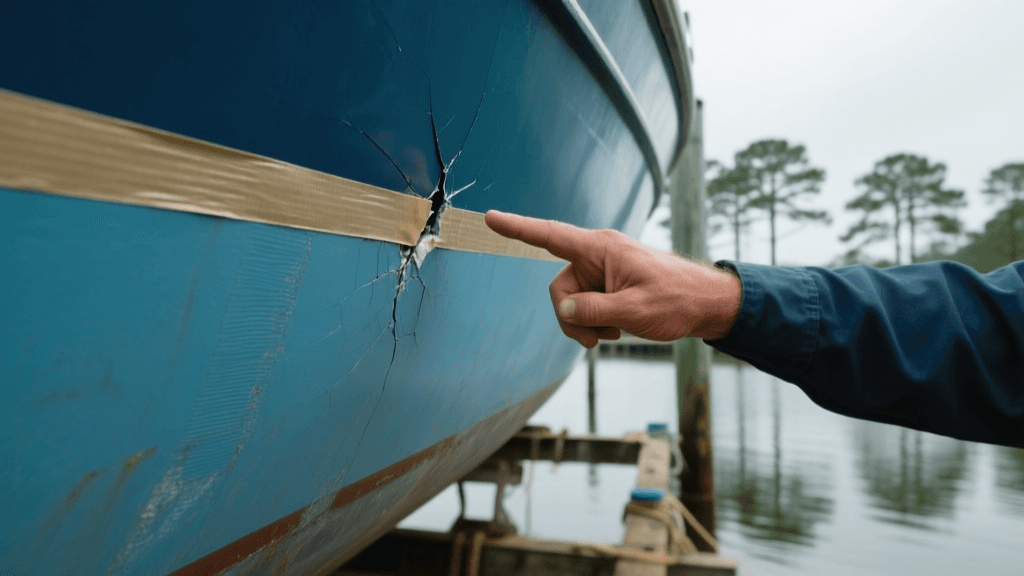
Collision coverage generally addresses physical damage to the insured boat when it strikes another boat or object, subject to the policy’s definitions and exclusions. A separate or broader all-risk form may cover additional sudden accidental damage, but the label alone does not settle a claim. Imagine a Columbia family returning across Lake Murray when the boat contacts a submerged obstruction. The hull may look intact while the propeller shaft or lower unit is damaged. Promptly documenting the location, conditions, and visible damage can help clarify what happened. Ask whether the policy covers underwater gear, towing after a covered loss, and damage caused by grounding, because those details can vary.
Storm, Fire, Theft, and Other Physical Damage
Hull coverage may also address certain losses caused by fire, theft, vandalism, or severe weather, but each policy spells out what is included. For example, wind damage while a boat is secured at a marina may be treated differently from damage caused by poor maintenance or an unsecured cover. Theft protection may require evidence of forced entry or may apply differently to removable equipment. Owners should confirm whether the insured value is agreed value or actual cash value. Agreed-value coverage generally uses a value selected when the policy is written, while actual cash value can account for depreciation at the time of loss. Check how the policy values the boat, motor, trailer, and permanently installed equipment.
How Deductibles and Limits Affect a Claim
A deductible is the amount the boat owner is responsible for paying on a covered claim before the insurer pays the remaining eligible amount, up to applicable limits. If repairs cost less than the deductible, making a claim may not result in an insurer payment. A higher deductible can reduce premium costs, but it also means keeping more money available for an unexpected repair. Check whether the deductible is a flat dollar amount or a percentage of the insured boat value, and whether separate deductibles apply to storm, theft, or other losses. Also review limits for electronics, personal property, and emergency services so a repair estimate does not exceed the protection selected.
Exclusions and Policy Conditions to Understand
Exclusions identify losses a policy does not cover, while conditions describe responsibilities that can affect coverage or claim handling. Common areas to review include ordinary wear and tear, corrosion, gradual deterioration, mechanical breakdown, faulty maintenance, and damage that occurs while the boat is used outside permitted conditions. A policy may also have restrictions involving navigation territory, operator qualifications, racing, or commercial use. This does not mean every policy excludes the same things; wording and endorsements matter. Before launching, make sure the listed boat, motor, and trailer information is accurate, disclose relevant use, and ask how winter storage, transportation, and lending the boat to another operator are handled.
Local Considerations Around Columbia and Lake Murray
Columbia boat owners may keep a vessel at home, at a marina, or near a Lake Murray access point, and each arrangement can change the practical questions to ask about protection. A boat stored in Lexington, Chapin, Ballentine, or Lake Murray of Richland may face different exposure to wind, theft, or transport damage than one kept in Forest Acres or West Columbia and trailered to the water. Busy access areas and unfamiliar coves also make collision and grounding scenarios worth discussing. South Carolina boating and registration requirements are separate from hull insurance, so confirm current state requirements through official sources and review the policy for its own navigation and storage terms.
A Useful Boat Hull Coverage Review
Questions to Ask Before the Season
- Confirm that the policy lists the correct boat, motor, trailer, equipment, and insured value.
- Ask which causes of physical damage are covered and whether collision, grounding, fire, theft, and storm losses are treated differently.
- Compare deductible options with the amount you could comfortably pay out of pocket after a loss.
- Review exclusions and conditions related to maintenance, operators, storage, transport, and navigation territory.
- Find out what documentation is useful after a loss, including photographs, repair estimates, receipts, and incident details.

What to Do After Physical Damage
After a boating incident, first address safety and follow any reporting requirements that apply. Take clear photographs of the boat, damage, surroundings, and any involved property when it is safe to do so. Record the date, location, weather, and a factual account of what happened, and keep receipts for emergency work or towing. Contact the insurer or claims contact promptly and ask before authorizing non-emergency repairs, since an inspection may be needed. Preserve damaged parts when practical and avoid guessing about the cause. Clear, timely records can help the adjuster compare the event with the policy terms, though documentation does not guarantee that a loss will be covered.
Compare Coverage Before Your Next Lake Murray Trip
The right hull coverage depends on the boat’s value, how often it is used, where it is stored, and the amount of repair cost the owner can absorb. Before choosing or renewing a policy, compare covered causes of loss, valuation method, deductibles, limits, exclusions, and any optional protection for equipment or emergency services. Ask for unfamiliar wording to be explained using realistic examples, such as a grounding in a cove or wind damage at a dock. Columbia, Lexington, Chapin, and surrounding communities all have boat owners with different needs, so a careful policy comparison is more useful than relying on a coverage label alone.
Get Clear on Your Boat’s Physical Damage Protection
Compare boat coverage options and review policy terms before your next outing on Lake Murray.
Get a Free Quote