Why Hull Coverage Deserves a Close Look
Choosing boat hull coverage means deciding how a policy may help repair or replace the boat itself after a covered loss. For Columbia boaters, that decision can matter whether a vessel spends weekends on Lake Murray, stays in a driveway between outings, or is stored at a marina. A policy limit that once matched the boat’s value may no longer fit after upgrades, depreciation, or a change in how the boat is used. Before the next launch, compare the boat’s current value, the settlement method, and the deductible. This guide explains those choices and the details to check when evaluating coverage.
What Hull Coverage Typically Applies To
Hull coverage generally concerns physical damage to the insured boat and may also include its motor, permanently installed equipment, or trailer, depending on the policy wording and selected limits. It is not the same as liability coverage, which addresses certain claims for injury or damage to someone else’s property. Covered causes of loss, exclusions, navigation areas, and requirements for securing or maintaining the vessel vary by contract. A storm-damaged boat, a collision, and gradual wear are not necessarily treated alike. Columbia owners should review the declarations and policy language together, confirming what is insured, where it is insured, and whether accessories or a trailer need separate limits.
Start With the Boat’s Current Value
A sensible hull limit starts with a realistic picture of the boat’s value, not just the price paid years ago or the amount still owed on a loan. Gather the make, model, year, engine details, condition, and records for significant upgrades. Then compare that information with current market listings or a qualified marine appraisal when the boat is unusual or particularly valuable. Electronics, a newer engine, or a rebuilt component can affect replacement cost, but an insurer may treat equipment differently from the hull itself. If a Columbia-area boat is used frequently on Lake Murray, document its configuration and keep receipts and photographs so the value discussion is based on details rather than memory.
Agreed Value and Actual Cash Value
Agreed-value and actual-cash-value policies can produce different claim outcomes. With agreed value, the policy and insurer establish a stated value in advance, subject to the contract’s terms and any applicable conditions. Actual cash value generally accounts for depreciation when determining the value of damaged or lost property. The difference may be important for an older boat whose market value has changed, or a newer vessel with costly equipment. Neither label alone tells the whole story: check how partial damage is settled, whether depreciation applies to repairs or parts, and what happens after a total loss. Ask for sample scenarios using your boat’s details, then compare both the coverage wording and premium.
Choose a Deductible You Could Pay
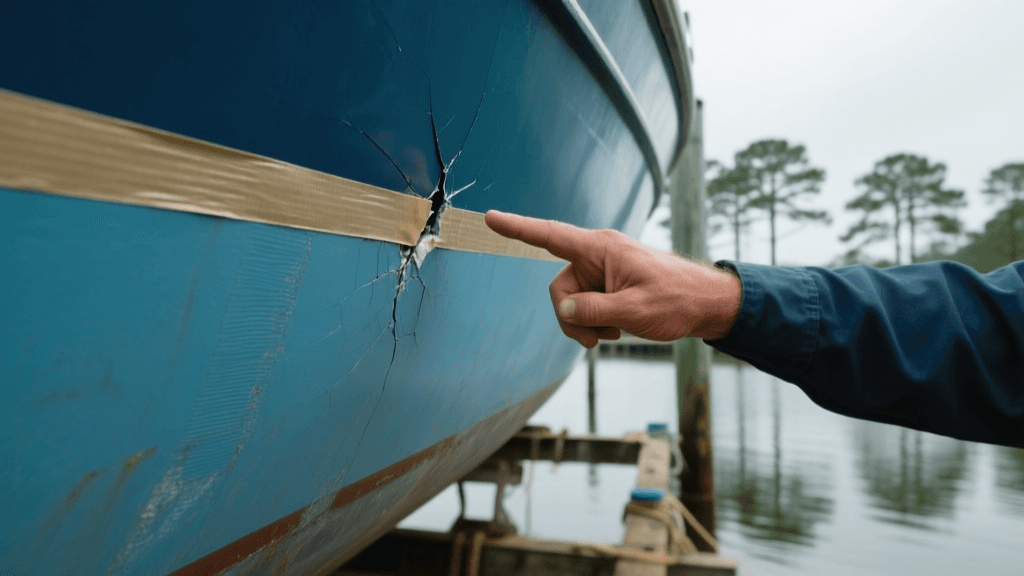
A deductible is the portion of a covered loss that the policyholder pays before insurance contributes, as described by the policy. A higher deductible can reduce the premium, but it also means more out-of-pocket expense after a claim. Consider your emergency savings, the boat’s age, and the likely cost of common repairs before choosing one. For example, a small fiberglass repair may be close to a deductible, while damage to an engine or major hull structure could be much more expensive. Check whether separate deductibles apply to named storms, theft, or particular equipment, and whether the amount is a flat dollar figure or a percentage. Compare the real tradeoff, not just the annual price.
Match Coverage to How You Use and Store the Boat
How often and where you boat should inform a coverage review. A vessel used regularly for fishing, watersports, or longer outings may have different exposure than one launched only a few times each season. Think through the routes and activities you actually plan, and confirm that the policy’s navigation territory and use provisions fit. Storage matters too: a boat kept in a driveway, at a marina, or in a secured building faces different practical risks and may be subject to different policy conditions. Ask how the contract treats winter storage, transport, towing, and equipment left aboard. Accurate answers help prevent a mismatch between the boating routine and the protection selected.
Local Considerations for Columbia and Lake Murray
Columbia boaters often plan around Lake Murray, whose broad recreational waters can bring busy weekends, changing weather, and varied shoreline conditions. Those are reasons to check practical protections rather than assume every policy handles every situation the same way. Owners in Chapin, Ballentine, Lexington, and nearby communities may keep boats at home, use a marina, or tow to a launch, so storage and transit details can differ. Consider how quickly you could secure the boat if severe weather is forecast, and ask whether the policy has specific storm-related terms or preparation requirements. Local routines help frame good questions, but the written policy—not a general description—sets the actual coverage.
Key Details to Compare Before Selecting a Policy
A Practical Hull Coverage Review
- Confirm the insured boat, motor, trailer, and equipment, including which items share a limit and which may need separate coverage.
- Compare agreed-value and actual-cash-value settlement terms for both total losses and partial repairs.
- Choose a deductible that fits your savings and review any separate storm, theft, or equipment deductibles.
- Check navigation territory, permitted uses, storage conditions, and any requirements for securing the vessel.
- Keep purchase documents, upgrade receipts, photographs, and maintenance records together for a more informed review.

What to Do Before You Choose
Before selecting hull coverage, assemble the boat’s identifying information, current photographs, equipment list, and records for improvements. Decide what deductible you could comfortably handle and whether predictable settlement terms matter more than a lower premium. Then compare quotes using the same boat value, navigation area, use, equipment, and deductible so the results are meaningful. Ask a licensed insurance professional to explain unclear exclusions, valuation language, and claim examples; do not rely on a policy label alone. Boaters in Columbia, West Columbia, Cayce, and other nearby communities can use the same checklist while accounting for their own storage and launch arrangements. Revisit the choices after a major upgrade or change in use.
Review Your Boat’s Hull Coverage
Compare limits, deductibles, and settlement terms using your boat’s current value and the way you actually use it.
Get a Free Quote