What Boat Personal Effects Coverage Means
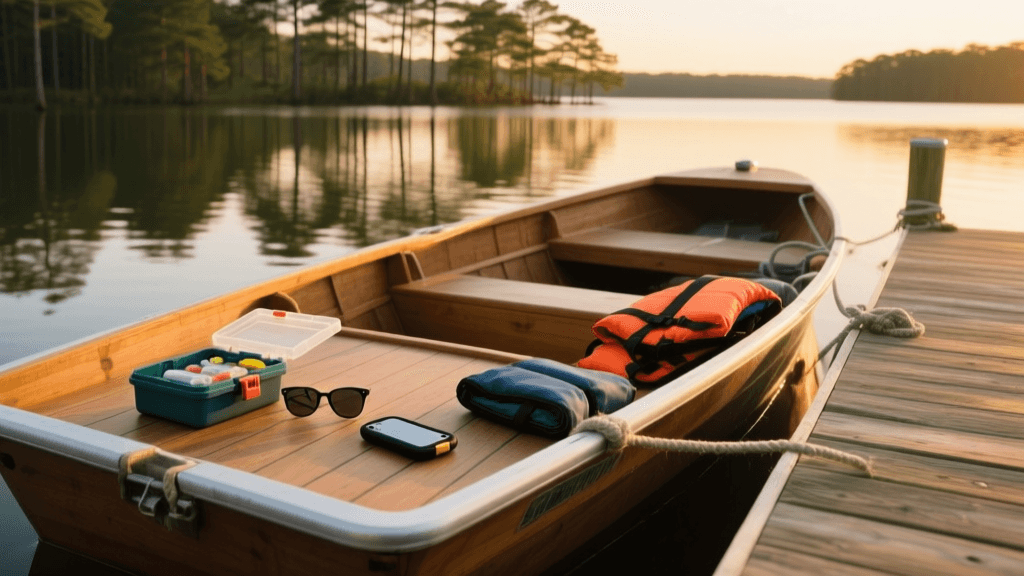
A day on the water often involves more than the boat itself. Columbia boaters may bring phones, sunglasses, jackets, fishing tackle, binoculars, and other portable belongings aboard for a trip on Lake Murray. Boat personal effects coverage is a policy feature that may help pay to repair or replace eligible personal property damaged or stolen in a covered event. It is not automatically a promise that every item on board is insured. The policy defines covered property, causes of loss, exclusions, deductibles, and maximum payment amounts. Understanding those details before launching can help you decide whether existing boat coverage fits the gear you regularly carry.
Why Coverage Details Matter Around Columbia
Lake Murray outings can combine swimming, fishing, watersports, and time at a dock, so belongings may face different risks throughout the day. A phone could be dropped overboard, a bag could be damaged by spray, or equipment might disappear while the boat is unattended. These situations are not necessarily treated alike: a policy may cover theft but exclude accidental loss overboard, or it may impose special terms for electronics. Columbia-area boaters also travel between marinas, ramps, and shoreline destinations, where property may be left temporarily in a vehicle or boat. Check exactly where coverage applies and whether it follows belongings away from the insured vessel.
Which Belongings May Qualify
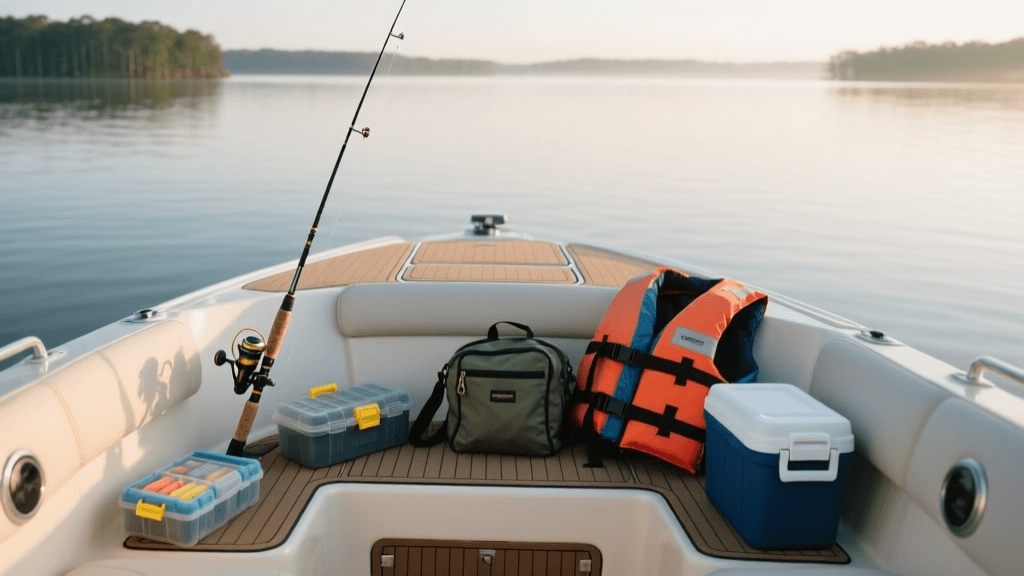
Depending on the policy, eligible personal effects may include clothing, towels, portable coolers, fishing tackle, binoculars, and some recreational equipment carried aboard for personal use. A useful distinction is whether an item is personal property or part of the boat. Permanently installed electronics, built-in equipment, and boat components may be covered under a different section, while portable devices may be subject to personal effects terms or a separate sublimit. For example, a removable handheld GPS may be classified differently from a chartplotter mounted at the helm. Make a list of the items you routinely take on Lake Murray and ask how each category is defined before assuming it is covered.
Limits, Deductibles, and Special Caps
Personal effects coverage usually has a maximum benefit, and that limit may be lower than the boat’s insured value. A deductible can reduce the amount paid on a covered claim, while individual categories may have their own caps. This matters when a boater carries several costly items: a camera, tablet, premium fishing reels, and safety equipment could together exceed the available limit even if each item is eligible. Ask whether the limit applies per occurrence, per item, or to all personal effects combined. Also check whether the policy pays actual cash value or replacement cost, since depreciation can affect a settlement. Compare the limit with a realistic inventory rather than choosing it based only on the boat’s value.
Common Exclusions and Ownership Requirements
Policies may exclude or restrict cash, business property, borrowed equipment, unattended belongings, or losses caused by ordinary wear, poor maintenance, or unexplained disappearance. Some may require reasonable precautions against theft, such as securing the boat or storing portable valuables out of sight. Coverage for items owned by guests can also differ from coverage for the policyholder’s property, so clarify whose belongings are insured. If you regularly bring a friend’s fishing gear or a family member’s camera, ask how ownership affects eligibility. Read exclusions alongside the coverage grant, because a broad description of personal effects does not override a specific limitation or condition elsewhere in the contract.
How to Document Belongings Before a Loss
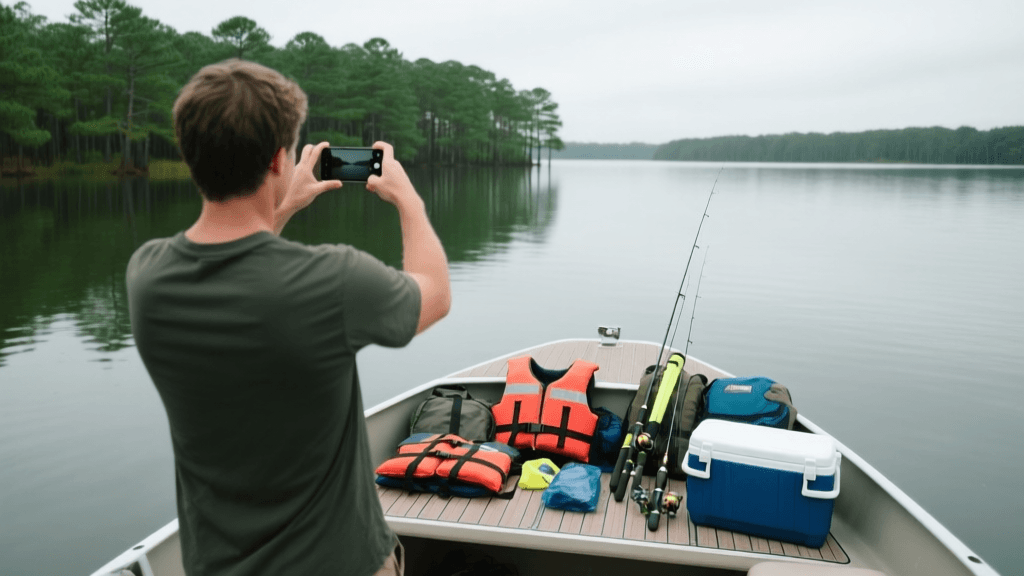
Create a simple inventory before the boating season or when you buy expensive gear. Record each item’s description, approximate purchase date, and value, and photograph it beside a recognizable feature or serial number when practical. Save receipts, order confirmations, warranty records, and manuals digitally in a location that is not only on your phone or boat. For a Columbia household, a secure cloud folder or a copy kept at home can remain accessible if the vessel is damaged. Update the inventory when equipment is replaced or removed. Good records do not guarantee payment, but they can help establish ownership, identify what was lost, and support a more complete conversation with the claims representative.
Local Considerations for Columbia and Lake Murray
Columbia residents often launch at Lake Murray and may keep boats near Lexington, Chapin, Ballentine, or West Columbia, while trips can bring gear between marinas and home. The location of a loss and how the boat was stored may matter under policy conditions, so note where an incident happened and whether the vessel was underway, docked, or on a trailer. South Carolina boating rules and safe operating practices are important, but they do not determine whether personal effects are insured; the written contract does. If you boat from areas such as Seven Oaks, St. Andrews, Forest Acres, or Cayce, review any territory or storage language that could apply to your regular routes and storage arrangements.
Useful Steps for Protecting Your Property
- List the portable items you regularly take aboard and check each category against the policy’s definition of personal effects.
- Compare the total value of your gear with the coverage limit, deductible, and any separate caps for electronics or specialized equipment.
- Keep receipts, photographs, serial numbers, and ownership records somewhere secure and accessible away from the boat.
- Ask whether guests’ belongings, property left in an unattended vessel, and items temporarily taken ashore are covered.
- Use reasonable security measures and promptly report suspected theft or damage according to the policy’s claim instructions.

What to Do After Damage or Theft
After an incident, take reasonable steps to prevent further damage and protect people first. Photograph the scene and affected property before moving items when it is safe to do so, then make a list of missing or damaged belongings. For suspected theft, contact law enforcement when appropriate and keep the incident or report details. Notify the insurer promptly using the process stated in the policy, and avoid discarding damaged items until the claims representative explains whether an inspection is needed. Provide honest descriptions and supporting records, and keep copies of messages, estimates, and claim documents. If the event occurred on Lake Murray or near a Columbia-area marina, record the location, date, and circumstances while details are fresh.
Review Your Boat Coverage Before the Next Outing
Before the next trip, gather your policy declarations, personal effects wording, and inventory, then compare the listed limit with the belongings you actually carry. Ask the insurer about uncertain items, theft conditions, accidental loss overboard, guest property, deductibles, and whether especially valuable gear needs separate coverage. If you are comparing boat insurance options in Columbia, evaluate personal effects protection alongside liability, physical damage, and other relevant coverages rather than focusing on one limit alone. Policy terms vary, and only the issued contract determines whether a particular loss qualifies. A short review now can reveal gaps while there is still time to ask questions and make an informed coverage decision.
Take Stock of the Gear You Bring Aboard
Review your boat policy and inventory before your next Lake Murray outing so you can ask informed questions about limits, exclusions, and eligible belongings.
Get a Free Quote