Why an Onboard Inventory Matters
When personal gear is stolen, soaked, or damaged in a boating incident, it can be difficult to remember every item that was aboard. A current inventory gives Columbia, South Carolina boaters a useful record of belongings such as fishing equipment, portable electronics, life jackets, water skis, and removable accessories. It can also help distinguish personal property from equipment that is part of the boat itself, a difference that may matter when reviewing policy terms. This guide covers a practical way to record belongings before a loss, keep evidence accessible, and provide clear information if a claim becomes necessary.
Know What Counts as Personal Effects
Personal effects generally means belongings kept on board that are not permanently installed parts of the vessel, but policy definitions vary. A handheld GPS unit, tackle box, cooler, or portable speaker may be treated differently from fixed navigation electronics or built-in equipment. Coverage may also depend on where the item was when it was damaged, the cause of loss, exclusions, deductibles, and a limit for certain categories. Before building an inventory, review the policy wording or ask the insurer how it classifies commonly carried gear. In Columbia, where many boaters make regular trips to Lake Murray, this step can reveal whether frequently used equipment deserves separate documentation or a coverage review.
Build a Detailed Item-by-Item Record
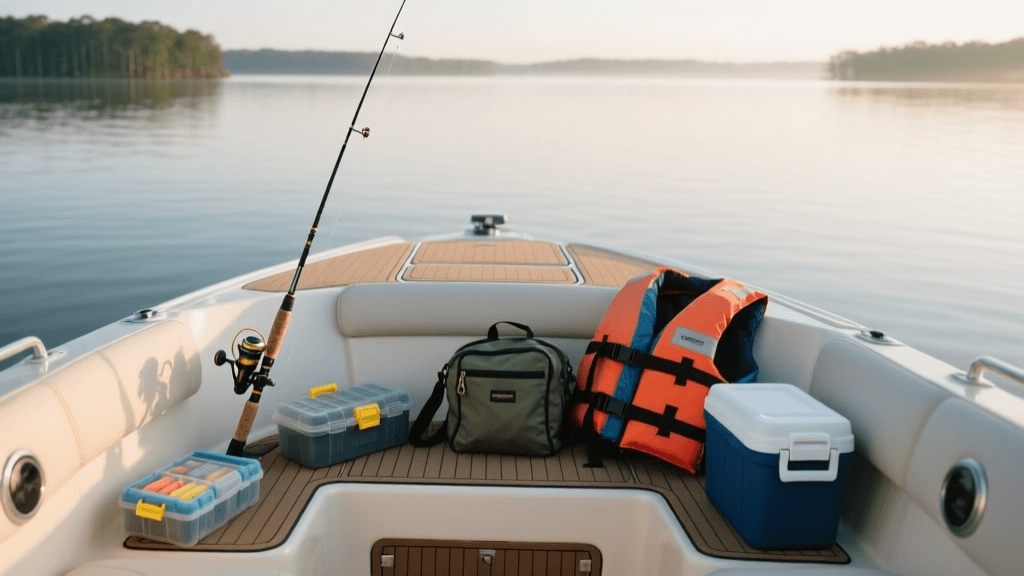
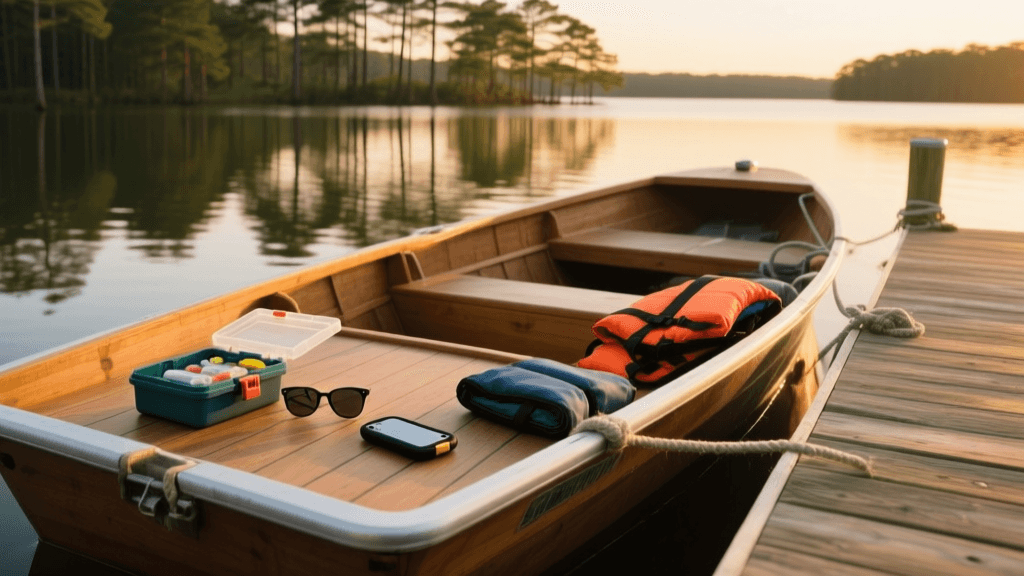
Create one record for each higher-value item rather than relying on a broad entry such as “fishing gear.” Note the item name, brand, model, approximate purchase date, current condition, and where it is usually stored. Record serial numbers for electronics, trolling motors, cameras, and other marked equipment; if there is no serial number, note distinguishing features or add a label visible in a photograph. Include smaller items in sensible groups, such as a set of life jackets, while listing expensive rods or reels individually. A spreadsheet or inventory app can make updates easier. Keep the file outside the boat so it remains available if the vessel and its contents are inaccessible.
Save Receipts, Photos, and Proof of Ownership
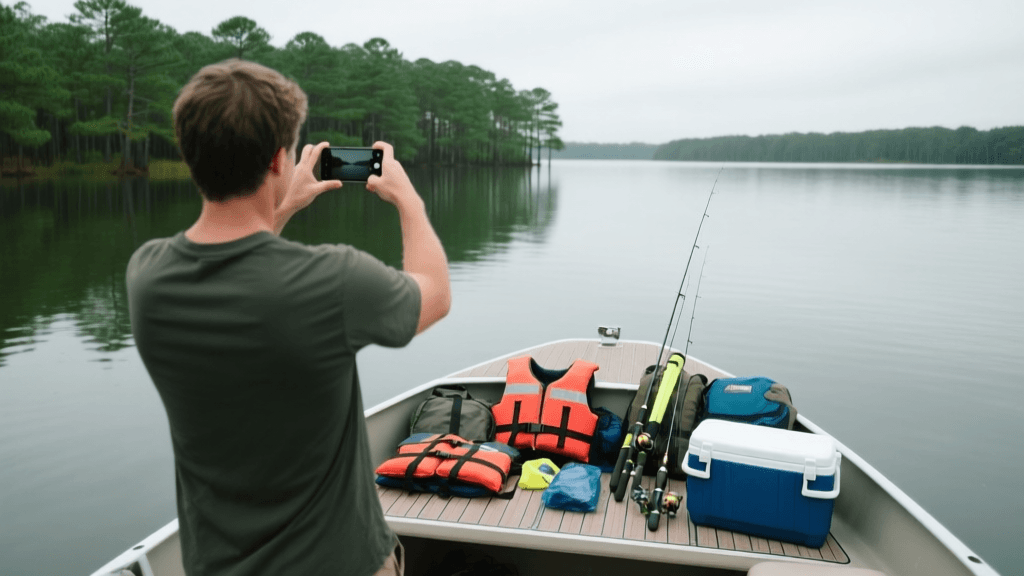
Photograph each valuable item from several angles, including close-ups of model labels and serial numbers. Take wider photos that show how gear is stored aboard, then capture the boat’s compartments and overall condition during a routine inspection. Save purchase receipts, order confirmations, warranty records, and service documents in a digital folder; a bank or credit-card statement can sometimes help establish a purchase when the original receipt is unavailable. Name files with the item and date, and back them up to a secure cloud account or another location away from the boat. For used equipment or gifts, note how ownership and approximate value can be supported, and avoid presenting an estimate as an exact purchase price.
Record Value Without Guessing
Documenting an item’s value is not the same as deciding what an insurer will pay. Policy settlement terms may use actual cash value, replacement cost, or other wording, and special limits or deductibles can affect the final amount. Record what you paid and when, then keep a reasonable current replacement estimate for context. For unusual, costly, or collectible equipment, consider retaining an appraisal or detailed seller documentation. Do not inflate values or assume that a new replacement price automatically applies to an older item. A straightforward record that separates purchase price, age, condition, and supporting evidence gives a claims reviewer clearer information and helps you identify questions to ask about coverage before boating season.
Keep the Inventory Current and Secure
Update the record whenever you buy, sell, replace, or permanently remove equipment. A quick review at the start of boating season and after major purchases helps prevent the inventory from becoming outdated. Keep one copy in secure cloud storage and another on a password-protected device or at home; do not leave a paper list with personal details in an unlocked boat compartment. Limit access to people who need it, especially if the record includes receipts, home addresses, or purchase information. For Columbia-area boaters who keep gear in a tow vehicle, storage unit, or marina locker as well as aboard, note where each item is normally kept so the record reflects its usual location.
Local Considerations Around Columbia and Lake Murray
Boaters based in Columbia often travel to Lake Murray for fishing, watersports, and day trips, and their gear may move between the boat, a vehicle, and home. That changing routine makes it useful to record where high-value items are usually stored and to avoid assuming that a boat policy covers belongings in every location. Weather, water exposure, theft, and accidental damage can each raise different coverage questions. Residents of Lexington, Chapin, West Columbia, Cayce, and nearby communities can use the same inventory process, but should check the policy’s territory, storage, and claim-reporting provisions. Local marina or launch conditions do not determine coverage by themselves; the written policy and the circumstances of the loss matter.
What to Do After Gear Is Lost or Damaged
After a loss, first make sure people are safe and follow any emergency or law-enforcement reporting requirements that apply. Contact the insurer promptly and ask what documentation is needed, including claim deadlines, inspection instructions, and whether damaged property should be retained. Photograph the scene and affected items before cleanup when it is safe to do so, and make a dated list of missing or damaged belongings. Avoid discarding damaged gear until the insurer says it is acceptable, unless leaving it creates a safety risk. Keep copies of messages, claim numbers, receipts for reasonable emergency purchases, and notes about conversations. Report facts accurately; do not guess at the cause or value when you can explain what remains uncertain.
A Practical Inventory Checklist
- Record each valuable item’s make, model, purchase date, condition, and usual storage location.
- Photograph the item, identifying labels, serial number, and the compartment where it is kept.
- Save receipts, warranty documents, appraisals, and purchase confirmations in a secure digital backup.
- Review policy definitions, exclusions, deductibles, and any personal property limits before relying on assumed coverage.
- Update the inventory after purchases, sales, seasonal gear changes, or equipment replacement.

Review Your Records and Coverage Before the Next Trip
Set aside time before your next Lake Murray outing to compare the inventory with what is actually aboard. Check that receipts and photos open correctly, serial numbers are legible, and the listed storage locations still make sense. Then review the policy for how personal effects are defined, what limits or exclusions may apply, and how a claim should be reported. If a high-value item is unclear, ask the insurer to explain how it is treated rather than assuming it is covered under the boat’s main limit. A few minutes of organized recordkeeping cannot prevent every loss, but it can make the facts easier to assemble and help you have a more informed coverage conversation.
Get Your Boat Gear Records in Order
Create a dated inventory, save supporting evidence securely, and confirm how your policy treats the belongings you bring aboard.
Get a Free Quote