Why Boat Liability Coverage Matters Around Columbia
A relaxing day on the water can change quickly when a wake, crowded launch area, or moment of distraction leads to an accident. Boat liability coverage may help pay covered costs if an operator is legally responsible for bodily injury to another person or damage to someone else’s property. For Columbia owners who boat on Lake Murray, the consequences can extend beyond a scraped hull: a passenger may need medical care, another vessel may require repairs, or a dock could be damaged. This guide uses practical scenarios to show what liability insurance may address, where limits can matter, and which policy details deserve a closer look before launch day.
Lake Murray Conditions Can Turn Small Errors Into Claims
Lake Murray draws boaters from Columbia, Lexington, Chapin, Ballentine, and nearby communities, so traffic can increase around popular coves, marinas, and access points. Busy water, changing weather, reduced visibility near dusk, and wakes from passing boats all call for attentive operation. A liability claim generally depends on the facts, applicable law, and the policy’s terms; simply having an accident does not automatically establish legal responsibility or guarantee payment. Still, owners should consider how quickly costs can accumulate when several people or boats are involved. Reviewing coverage before peak boating periods gives you time to ask about covered operators, navigation territory, and whether your limits fit your boat and typical outings.
Scenario One: A Collision Damages Another Vessel
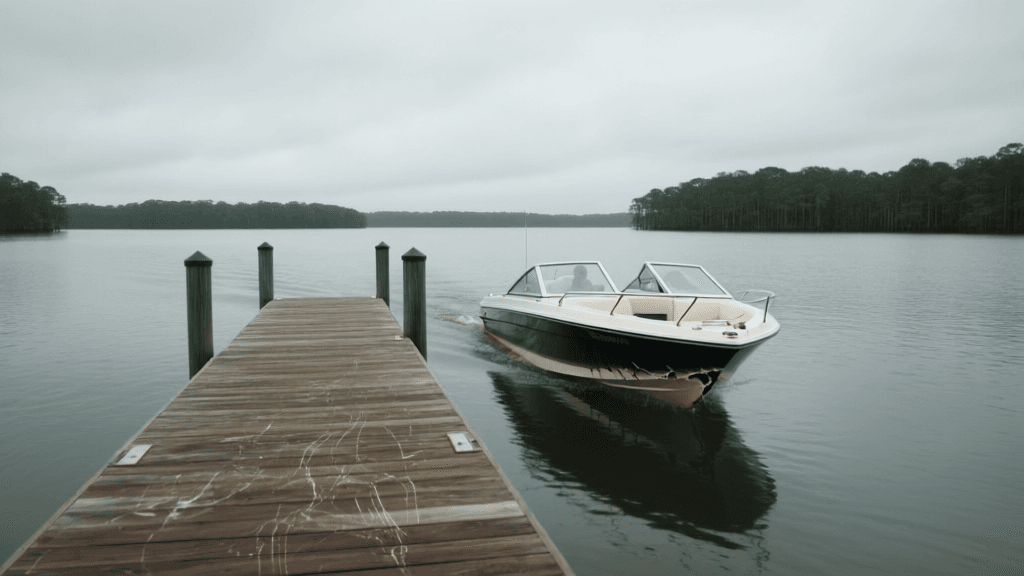
Imagine a Columbia boater changing direction near a busy section of Lake Murray and striking another boat. The other vessel’s owner might seek compensation for repairs, towing, or other losses, and an injured occupant could bring a separate bodily injury claim. If the insured operator is found legally responsible, boat liability coverage may respond to covered third-party claims up to the policy limit, subject to its conditions and exclusions. The boat owner’s own hull damage is a different question and is not automatically paid by liability coverage. After a collision, prioritize safety, contact emergency services when needed, exchange information, document the scene, and notify the insurer promptly. Avoid making assumptions about fault or promising payment before the facts are reviewed.
Scenario Two: A Passenger Is Hurt Onboard
A passenger could be injured after slipping on a wet deck, falling while the boat turns, or being struck by equipment during a sudden stop. If the operator’s conduct or another covered circumstance makes the owner legally liable, bodily injury liability coverage may help with eligible claims, such as certain medical expenses, legal defense, or settlements, depending on policy wording. Coverage is not the same as a promise to pay every medical bill, and passenger status, the cause of the injury, and policy definitions can all matter. Owners should ask how the policy treats guests, paid passengers, and people helping operate the boat. A policy designed for private recreational use may not cover some commercial or for-hire activities.
Scenario Three: A Wake Damages a Dock or Shoreline Property
Liability is not limited to direct contact between boats. For example, an operator may create a large wake too close to a dock, causing a boat tied nearby to strike the structure or damaging property along the shore. The property owner may seek payment for repairs if the operator is legally responsible, but the insurer will review the circumstances, policy terms, and available evidence. A wake-related incident can be difficult to assess after the fact, so names, photographs, time, location, and witness details may be useful. Keep a safe distance from docks and anchored boats, reduce speed where conditions call for it, and follow posted restrictions. These habits help reduce risk but cannot eliminate every potential claim.
How Policy Limits and Exclusions Affect a Claim
A liability limit is the maximum amount a policy may pay for a covered claim under the applicable coverage section; it is not necessarily a single pool that applies identically to every person or event. Policies may show per-person and per-accident bodily injury limits, along with a separate property damage limit. If a serious accident results in costs above the applicable limit, the owner could face personal financial exposure, subject to the facts and law. Exclusions also matter. Common areas to ask about include intentional acts, racing, certain types of watercraft, unlisted or ineligible operators, commercial use, and activities outside the policy’s navigation territory. Read the actual contract and ask for clarification rather than relying on a general description of coverage.
What Columbia-Area Owners Should Review Before Launch
For boaters based in Columbia, location and usage details can shape the right questions to ask. A family that takes occasional trips from a Lake Murray marina may have different needs from an owner who regularly carries guests, lends the boat to relatives, or travels to other waterways. Owners in Lexington, Chapin, West Columbia, Cayce, and Forest Acres can compare how each policy handles operators, passengers, towing, and liability away from the boat’s usual mooring location. Confirm that the vessel description is accurate, including its type, length, engine information, and use. Ask whether the policy has separate limits for bodily injury and property damage, what defense costs mean under the contract, and which activities or operators are excluded.
Practical Steps to Reduce Liability Exposure
Before Your Next Lake Murray Outing
- Choose liability limits with the potential cost of a serious injury or multiple damaged vessels in mind, and ask how each limit applies to one accident.
- Confirm which household members, guests, and other permitted operators are covered; do not assume that lending the boat is automatically covered.
- Review exclusions for paid passengers, business use, racing, water sports, and navigation outside the listed territory.
- Operate at a speed and distance appropriate to traffic, visibility, weather, and nearby docks, and make sure everyone onboard understands basic safety practices.
- Keep current policy documents and emergency contacts accessible, and report an incident promptly while details and evidence are fresh.

Compare Coverage With Your Actual Boating Habits
The most useful policy review starts with an honest picture of how and where you boat. Note the vessel’s value, how often it is used, who operates it, how many passengers typically come along, and whether trips are recreational only. Then compare liability limits, deductibles for other relevant coverages, covered operators, exclusions, and any requirements tied to storage or navigation. Ask for explanations in writing when a provision is unclear, especially if you sometimes lend the boat or participate in organized activities. A quote comparison should look beyond the premium: two policies with similar prices may differ substantially in limits and contract terms. Revisit the review after buying a different boat or changing how it is used.
Review Your Boat Liability Coverage
Compare policy limits, covered operators, and exclusions before your next outing on Lake Murray.
Get a Free Quote