What Boat Liability Coverage Means for Columbia Boaters
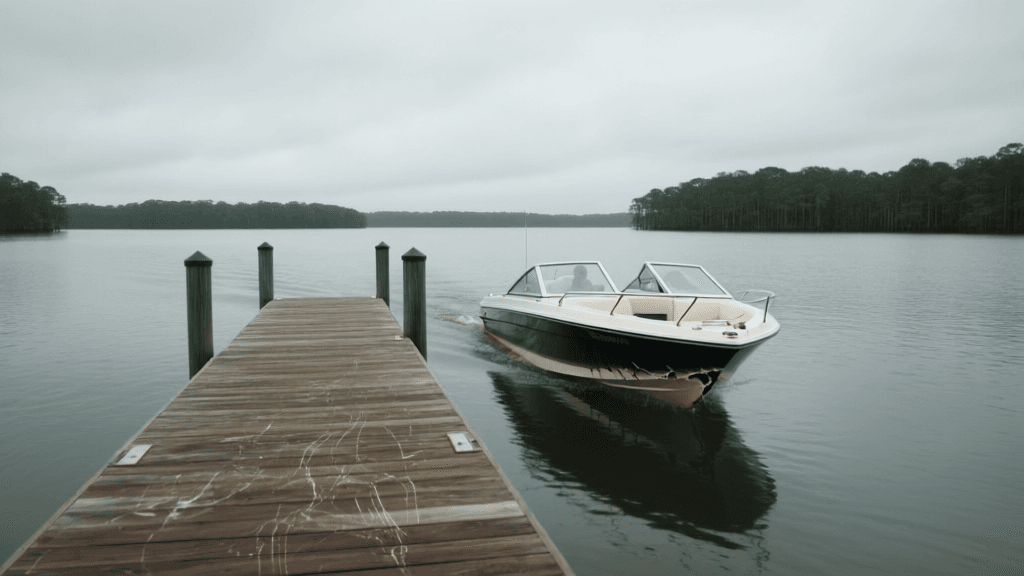
Boat liability coverage is the part of a watercraft policy that may help pay for covered bodily injury or property damage claims when an insured person is legally responsible for an accident. For example, a collision near a busy Lake Murray cove could injure another person or damage their boat. Liability coverage may help with eligible damages and, depending on the policy, certain legal defense costs. It does not automatically pay to repair the insured boat or cover every mishap. Columbia boaters should understand the distinction before launching, especially when weekends bring more traffic to popular ramps and recreation areas.
Why Liability Questions Matter Around Columbia
Columbia is a practical home base for boaters who travel to Lake Murray, where changing traffic, weather, and visibility can affect a day on the water. A minor steering error around a dock or crowded swimming area can become a costly claim if someone is hurt or another person's equipment is damaged. Liability protection is not a substitute for safe operation, and policy language—not a general description—determines what is covered. South Carolina boating requirements and vessel rules can also depend on factors such as the craft and operator, so check current guidance from the relevant state authorities rather than assuming an insurance policy satisfies every legal obligation.
What Bodily Injury and Property Damage May Include
Bodily injury liability may apply to covered claims involving another person's physical injury, such as a passenger being hurt after a collision. Property damage liability may apply when an insured operator damages someone else's boat, dock, lift, or other property. These are examples, not a promise that a particular loss will be paid: the insurer reviews the facts, policy wording, exclusions, and the insured person's legal responsibility. A claim might also involve medical expenses, repair estimates, and questions about who was operating the boat. Keep incident details, witness information, and photographs when it is safe and appropriate, and report an accident according to the policy's instructions.
Who May Be Insured When Someone Else Drives
A boat policy may cover the named insured and certain household members or permitted operators, but the exact definition of an insured person varies by contract. Before lending a boat to a friend or relative, check whether the policy allows that person to operate it and whether restrictions apply to age, experience, or the way the vessel is used. A policy could treat an occasional guest differently from someone who operates the boat regularly. Also ask how coverage applies when the boat is being used for business, rented to others, or operated in a situation outside the policy's stated terms. Never rely on an informal assumption that permission alone guarantees coverage.
How Liability Limits Affect a Claim
A liability limit is the most the policy may pay for a covered claim or category of loss, subject to its terms. Some policies show a combined limit, while others separate bodily injury and property damage amounts; the declarations page explains the structure. If a covered claim exceeds the applicable limit, the insured may be responsible for amounts above it. Consider the possible costs of injuries, boat repairs, damaged docks, and legal proceedings when comparing limits, rather than choosing only by the lowest premium. Ask whether limits apply per person, per accident, or per occurrence, and whether defense expenses reduce the available amount. Those details can change how much protection remains.
Exclusions and Conditions Worth Checking
Liability coverage has boundaries. Depending on the contract, exclusions or conditions may address intentional acts, racing, certain commercial activities, operating under the influence, use by an unauthorized operator, or particular types of watercraft and equipment. Damage to the insured's own boat generally belongs under physical damage coverage, not liability coverage, and an injury to the policyholder may be handled differently from an injury to another person. These examples are not universal exclusions; wording differs among insurers. Read the full policy and endorsements, paying attention to definitions, navigation limits, safety requirements, and notice deadlines. If a clause is unclear, request an explanation in writing before a loss occurs.
Local Considerations for Columbia and Nearby Communities
Many Columbia-area boaters make the drive toward Lake Murray from communities such as Lexington, Chapin, Ballentine, Seven Oaks, and West Columbia. A trip can include towing the boat, launching at a busy access point, navigating around other recreational users, and securing the vessel at a dock. Each step creates different practical questions: who is permitted to operate, whether the policy's navigation area fits the planned outing, and how the boat is covered while stored or transported. Forest Acres, Cayce, Blythewood, and other nearby communities also include owners who may use the same regional waterways. Review your actual boating routine with the policy documents in hand instead of assuming every trip has identical coverage.
A Practical Checklist Before You Launch
Review These Policy Details
- Confirm the bodily injury and property damage limits, including whether they are split or combined and how each limit applies.
- Identify every person the policy treats as an insured operator, and verify any age, experience, or permission requirements.
- Check navigation boundaries, permitted uses, and restrictions involving rentals, business activity, racing, or other special circumstances.
- Ask how legal defense costs are handled and whether they count toward the stated liability limit.
- Keep the declarations page and insurer's claim-reporting instructions accessible, and update the policy when the boat or its use changes.

Next Steps: Compare Coverage Before Your Next Outing
Start with the boat's declarations page and full policy, then note the vessel, usual operators, typical routes, and how often it is used. Compare quotes using the same liability limits and ask each insurer to explain differences in insured operators, navigation restrictions, defense costs, and exclusions. If you boat on Lake Murray from Columbia or a nearby community, describe that use accurately rather than relying on a generic estimate. A licensed insurance professional can help clarify policy wording and available options, but the contract controls any claim decision. Review the coverage again after buying a different boat, lending it regularly, adding equipment, or changing how it is used.
Review Your Boat Liability Options
Compare policy limits, insured operators, and exclusions so you can choose coverage that fits your boating routine.
Get a Free Quote