Start With the Activities You Plan to Do
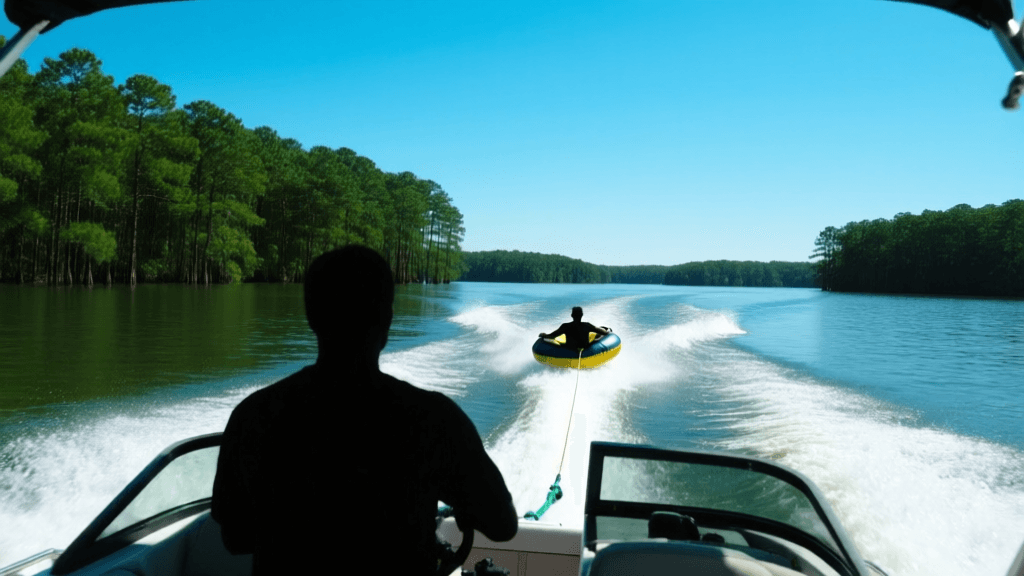
A boat that spends one weekend cruising quietly and the next towing a tube is being used in different ways, and the insurance details should reflect that. Before the season begins, Columbia boaters should review whether their policy addresses water skiing, wakeboarding, tubing, or other towed activities. Do not assume that a general recreational-use description settles every question. Write down how often you expect to tow, who will operate the boat, and what gear you plan to use. This guide walks through the details worth checking before you launch on Lake Murray, so you can ask clear questions and identify potential gaps before an accident or equipment loss occurs.
Why a Pre-Season Review Matters Around Columbia
Lake Murray’s busy boating season brings together fishing boats, pontoons, personal watercraft, and boats pulling riders. More activity means more chances for close passes, sudden stops, changing weather, and misunderstandings about who is responsible for watching a rider. A policy purchased years ago may not reflect a newer boat, a different motor, added wake equipment, or a change from occasional cruising to frequent towing. Before peak weekends, compare the policy’s description of the vessel and its use with what is actually happening. Boaters from Columbia, Lexington, and Chapin can use the same review process, while confirming any current lake rules and state requirements that apply to their situation.
Disclose Towing and Water Sports Clearly
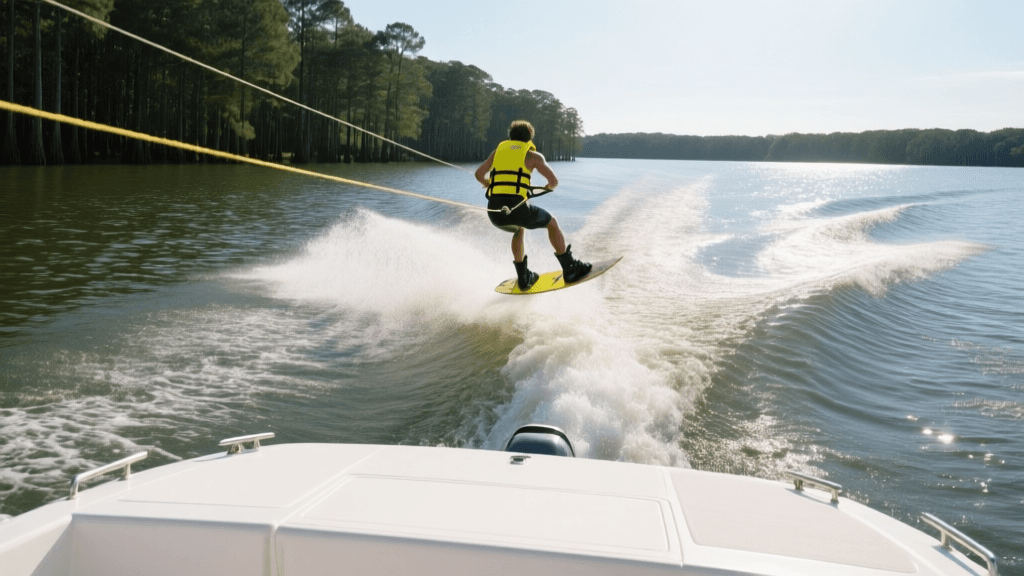
Tell the insurer which activities you expect to participate in, rather than relying on a broad phrase such as recreational boating. Be specific about towing a skier, wakeboarder, or tube, and explain whether guests will take turns driving or acting as the observer. Ask whether the policy has exclusions, restrictions, or conditions tied to towing, rider age, operator experience, or the type of water sport. If you begin a new activity mid-season, contact the insurer before making it a regular part of your outings. Keep the response with your policy records. Clear information gives the insurer a chance to explain how its terms apply and whether a policy change or different coverage arrangement is needed.
Check Liability Coverage and Who Is Protected
Liability coverage can matter if boat operation causes injury or damage to someone else, but the people and situations covered depend on the policy. Ask how liability applies when a guest is driving, when a rider is being towed, and when another person is acting as the spotter. Confirm the limits and whether any water sports exclusions or conditions apply. Consider a realistic Lake Murray scenario: the boat turns while a rider is in the water, and another vessel approaches the area. The policy wording, the facts of the incident, and applicable law all matter; no checklist can promise a particular claim outcome. Ask an insurance professional to explain the coverage and limits in plain language.
Inventory the Boat and Water Sports Equipment
Make a current inventory of the boat, motor, trailer, and equipment used for towing. Include wakeboards, skis, tubes, ropes, tow bars, racks, electronics, and any recently installed accessories, along with receipts, serial numbers, and dated photos where available. Ask whether the policy covers each item, where coverage applies, and whether equipment has a separate limit, deductible, or exclusion. Equipment stored in a garage may be treated differently from property aboard the boat or in use on the water. If you have added a tower, ballast system, or other modification, report it and confirm whether the boat’s value or risk description should be updated. Accurate records can also make a claim conversation more organized.
Clarify Operator, Passenger, and Rider Conditions
Before friends or relatives take the helm, check any policy conditions concerning authorized operators, experience, age, or household members. Also ask how the policy treats passengers and people being towed, including whether medical payments or other benefits may apply and what limitations exist. These terms are not identical from one policy to another, so request specific answers rather than assuming every guest is treated the same way. Set practical household rules that match your policy: choose a qualified operator, designate a sober observer, make sure riders understand hand signals, and explain where passengers should sit. If the policy requires information about regular operators or boat use, keep it accurate as plans change.
Put Safety Practices on the Checklist, Too
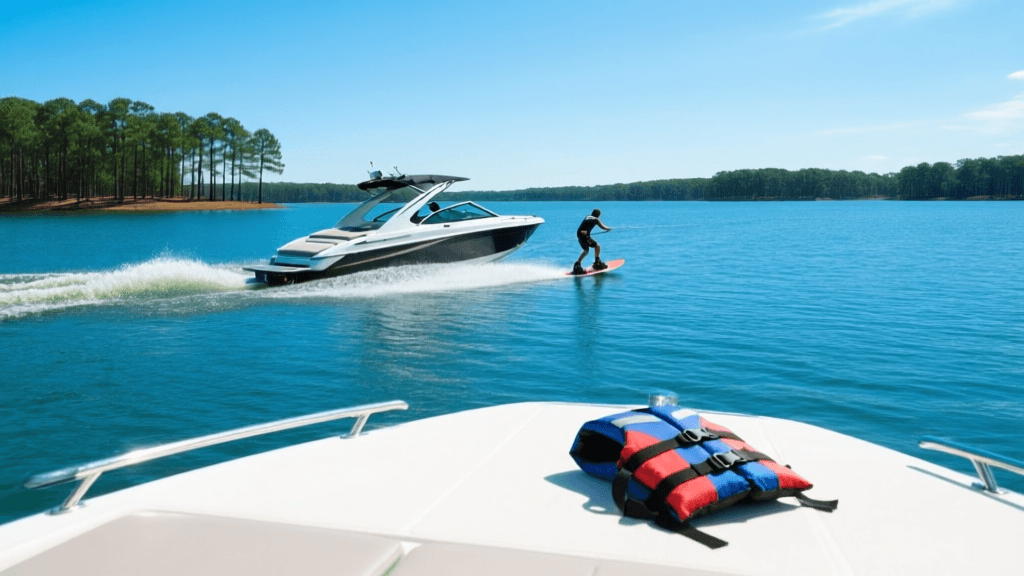
Insurance is only one part of a safe day on the water. Check that the boat carries properly sized, serviceable life jackets for everyone and that riders wear them as required. Review the current rules for boat operation, towing, observers, and safety equipment with the appropriate South Carolina authorities before the season. Inspect ropes, tow points, steering, and engine controls; retire worn or damaged gear instead of trusting it for another trip. Agree on hand signals and an emergency plan before a rider enters the water. A spotter should watch the rider continuously while the operator focuses on navigation and surrounding traffic. These habits reduce avoidable hazards, but they do not replace policy review or legal requirements.
Local Details for Lake Murray and Nearby Communities
Lake Murray outings can start from communities around the reservoir and from Columbia, with boating plans that may involve busy access points, open-water stretches, coves, or changing weather. Conditions and traffic differ by time and location, so build in room for other boats and stop towing when visibility, wind, or congestion makes the activity unsafe. Boaters coming from Ballentine, Chapin, Lexington, or Lake Murray of Richland should also consider where the boat and trailer are kept between trips. Ask whether the policy’s location, storage, and trailer terms fit your actual arrangement. Confirm current reservoir rules and launch information through official sources, since operating requirements and local conditions can change.
Key Takeaways for Your Policy Review
Before the First Tow
- Describe every planned activity, including tubing, skiing, and wakeboarding, and ask about exclusions or required policy changes.
- Confirm liability limits and how coverage applies to operators, passengers, observers, and people being towed.
- List the boat, motor, trailer, modifications, and water sports equipment, then ask how each item is insured and where coverage applies.
- Review operator qualifications, safety gear, current boating rules, storage details, and any changes since the policy was issued.

Next Steps Before You Launch
Gather your policy, boat registration and ownership details, equipment inventory, and a short description of how you plan to use the vessel this season. Ask the insurer to explain water sports coverage, liability limits, towing-related conditions, eligible equipment, deductibles, and the process for updating the policy. Request written confirmation of important answers and compare available options on equivalent terms rather than looking only at the premium. If anything is unclear, ask for the exact policy wording or a plain-language explanation before relying on an assumption. A careful review gives Columbia-area boaters a more informed starting point for Lake Murray season, while safe operation and compliance with current requirements remain essential every time the boat leaves shore.
Get Ready for Water Sports Season
Review your boat, activities, and policy details now so you can address coverage questions before your next Lake Murray outing.
Get a Free Quote