What Boat Towing Assistance Means for Columbia Boaters
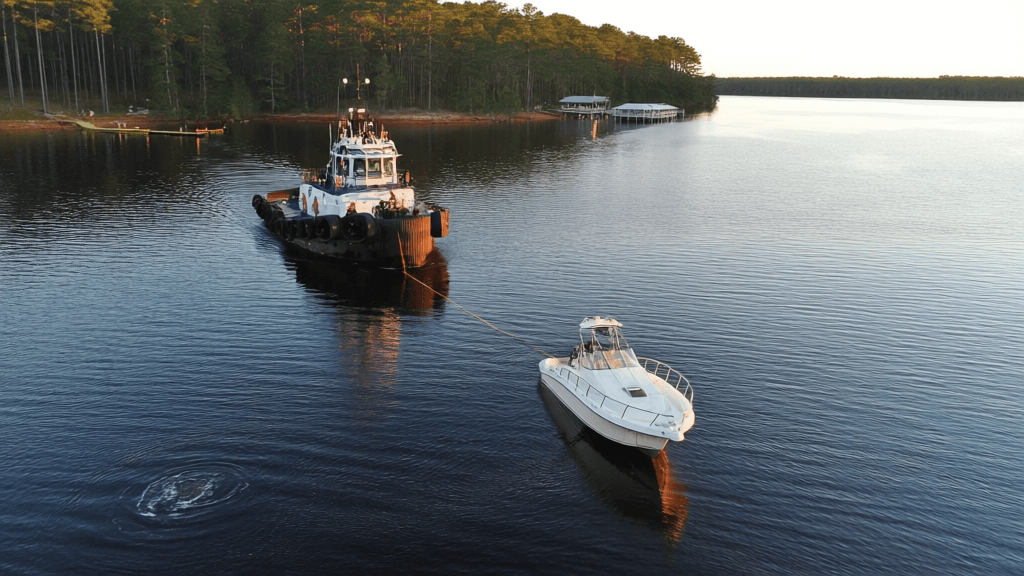
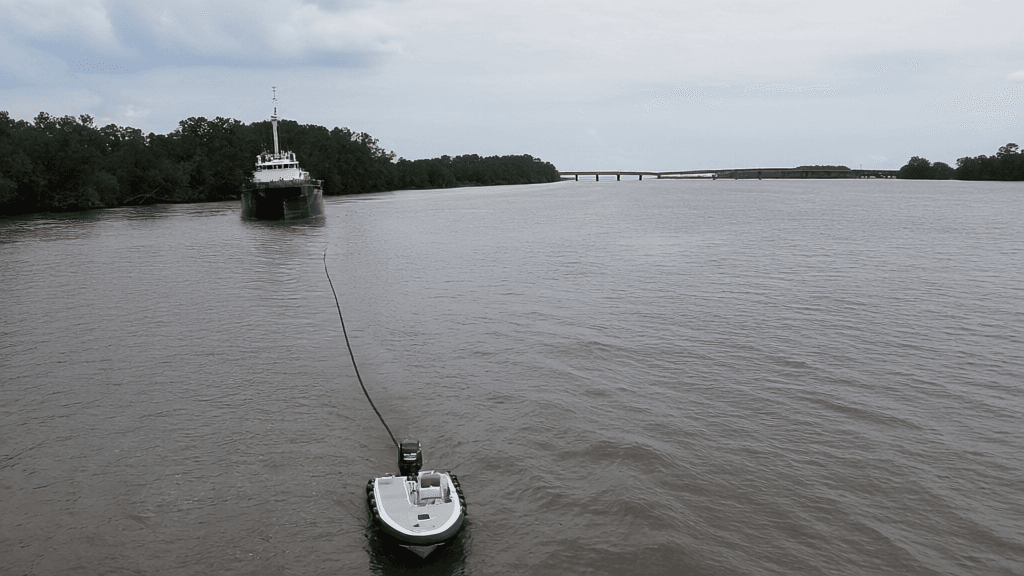
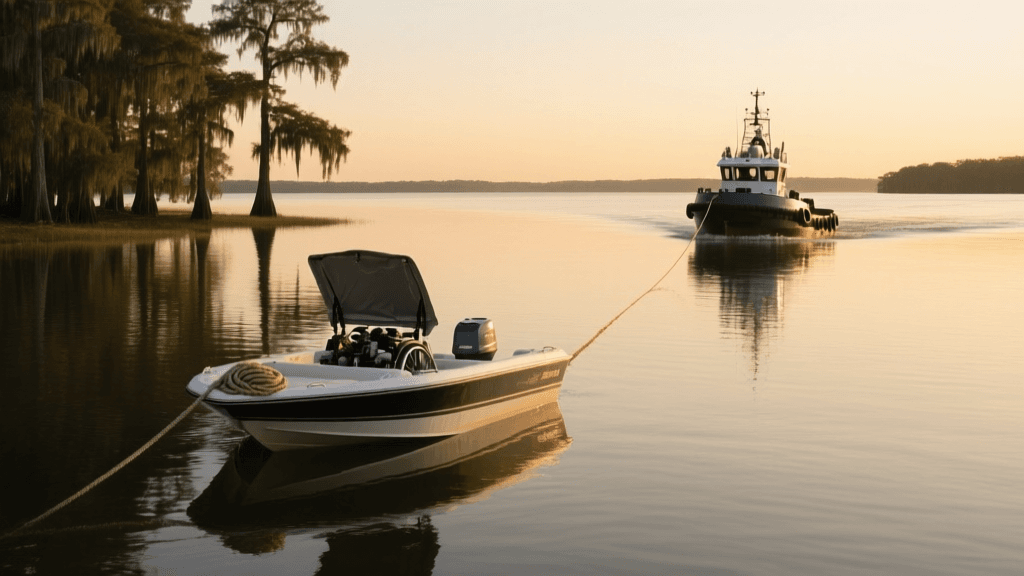
Boat towing assistance is a service benefit that may arrange help when a vessel cannot safely continue under its own power. For boaters launching near Columbia and spending the day on Lake Murray, that can matter after an engine failure, fuel problem, dead battery, or other interruption far from the ramp. The benefit may coordinate a tow to a launch, marina, or repair location, but it is not automatically included in every boat policy. Coverage terms can differ substantially. This guide explains typical situations, dispatch considerations, and the questions to ask before relying on assistance, so you can plan realistically rather than assume every rescue is paid for.
Why Breakdowns Can Become Complicated on Lake Murray
Lake Murray’s broad surface, coves, busy recreation areas, and changing weather can turn a routine mechanical issue into a logistical challenge. A boat that loses propulsion near a quiet shoreline may be easier to reach than one disabled amid weekend traffic or in a narrow cove with limited maneuvering room. Summer heat and afternoon storms can also make waiting uncomfortable and increase the importance of sharing an accurate location. Conditions vary around the lake, so a tow provider may need to assess access, water conditions, and the safest destination. Columbia-area boaters should check their phone signal and navigation tools before departure, while remembering that coverage can be unreliable in some locations.
Common Situations That May Call for a Tow
A tow may be useful when an engine will not restart, a propeller is damaged, steering or electrical trouble makes operation unsafe, or the boat has run out of fuel. A dead battery can sometimes be addressed with a jump-start, while an empty tank may call for fuel delivery; whether those services are available depends on the assistance plan and local provider. For example, a family anchored in a Lake Murray cove may discover that the engine will not turn over as they prepare to return to the ramp. First confirm everyone is safe, use an anchor if appropriate, and follow emergency procedures. Do not keep trying to operate a boat that appears unsafe.
What a Towing Benefit May Cover
A policy’s towing or on-water assistance benefit may arrange a tow, jump-start, fuel delivery, or limited mechanical help, but the exact services and payment method are policy-specific. Some plans pay an eligible provider directly; others may require the boater to pay first and submit receipts for reimbursement. A benefit can also have a maximum dollar amount, a service-area restriction, or conditions about which providers may be used. The tow destination might be limited to the nearest suitable facility, rather than a preferred mechanic at home. Read the declarations and endorsements, then ask the insurer or service administrator to explain ambiguous terms. A benefit name alone does not establish what an actual call will cost.
Limits, Exclusions, and Dispatch Details to Confirm
Before an outing, find out whether the plan has a per-incident limit, annual cap, deductible, waiting period, or separate charge for distance beyond a specified range. Ask whether salvage, grounding, fuel, labor, or after-hours service is treated differently from a standard tow. Dispatch instructions are equally important: some benefits require contacting a designated assistance number before hiring help, and unauthorized service may not qualify for payment. Confirm what information the dispatcher will request, such as your vessel description, registration details, exact location, symptoms, and a safe callback number. Save the assistance contact offline and keep policy information accessible, since a phone may have limited signal on the water.
How to Request Help During a Breakdown
If the boat becomes disabled, prioritize people and immediate safety before arranging a tow. Put on life jackets, assess weather and nearby traffic, anchor when safe, and use the appropriate emergency channel or emergency services if anyone faces imminent danger. For a non-emergency mechanical problem, contact the assistance provider using the policy’s approved process. Give a precise position from chartplotter coordinates or a reliable navigation app, identify nearby landmarks or marinas, and describe the boat’s size, engine, and condition. Explain whether the vessel is anchored, drifting, or taking on water. Ask who is coming, the estimated arrival time, the likely destination, and whether any charge may be your responsibility.
Local Planning Around Columbia and Lake Murray
Columbia boaters often reach Lake Murray through different launch areas and marinas, and the best response location depends on where trouble occurs. A vessel near the dam, in a narrow cove, or on the Lexington or Chapin side may have different access and travel considerations than one closer to a familiar launch. Boaters from Ballentine, West Columbia, Cayce, Forest Acres, and nearby communities should not assume the closest road access is also the best water pickup point. Before leaving, note the intended launch and destination, check forecasts, and share a float plan with someone ashore. Local familiarity helps, but it does not replace the policy’s dispatch rules or a current assessment of lake conditions.
A Practical Checklist Before You Launch
Questions and Preparations to Keep Handy
- Confirm whether towing, fuel delivery, jump-starts, and minor mechanical assistance are included, and note any separate limits for each service.
- Learn whether dispatch must be contacted before hiring a tow provider and whether payment is direct or reimbursement-based.
- Save the assistance phone number, policy details, and vessel registration information where they remain available without cell service.
- Carry navigation equipment, a charged phone in a protective case, required safety gear, and a basic maintenance kit suited to the boat.
- Check fuel, battery condition, cooling, steering, weather, and required equipment before departure, and tell someone ashore your plan.

Review Your Policy Before the Next Outing
The most useful time to understand boat towing assistance is before the engine stops, not while waiting on the water. Review the policy wording and endorsements, then ask specific questions about eligible incidents, provider selection, distance or dollar caps, reimbursement deadlines, and excluded services. If you are comparing boat insurance, evaluate towing assistance alongside liability, physical damage, medical payments, and coverage for personal property; a low premium does not tell the whole story. Keep written answers with your boating documents and revisit them when changing boats or cruising habits. For Columbia-area owners, matching the benefit to typical Lake Murray trips can make coverage decisions clearer and help set reasonable expectations.
Check Your On-Water Assistance Details
Review your policy’s towing limits and dispatch instructions before your next Lake Murray trip.
Get a Free Quote