What Boat Medical Payments Coverage Does
A fall on a wet deck, a collision between boats, or a passenger being thrown against a seat can turn a relaxing Lake Murray outing into an expensive day. Boat medical payments coverage, often called medical payments or MedPay, may help pay reasonable medical expenses for eligible people injured in a covered boating accident. Depending on the policy, covered people can include the named insured, household family members, and guests aboard the insured boat. Payment is generally not based on proving who was at fault, although the policy’s wording controls. For Columbia boaters, it can provide a focused layer of help while injured passengers seek treatment and determine what other insurance may apply.
Why It Matters Around Columbia and Lake Murray
Columbia residents often take boats to Lake Murray for swimming, fishing, watersports, and weekend trips with friends. Busy launch ramps and popular coves can mean crowded conditions, while wakes, slippery surfaces, and changing weather can increase the chance of a passenger injury. Someone hurt while boarding at a ramp or moving around a boat may face ambulance, urgent-care, imaging, or follow-up costs even when the injury does not lead to a major liability claim. Medical payments coverage is not a substitute for safe operation or comprehensive health insurance, but it may help address qualifying expenses early. The key is to understand who is insured and what counts as a covered accident before a trip.
Who May Be Covered After an Accident?
The policy defines eligible people, and definitions can vary by insurer and boat type. A typical policy may cover the policyholder and family members while occupying the insured boat, with guest passengers also eligible in certain circumstances. Some forms may extend coverage to injuries while getting into or out of the boat; others may apply only while a person is aboard. Do not assume that every person near the boat is covered. A swimmer in the water, a person on a dock, or someone riding in a different vessel may fall under different terms or be excluded. Before inviting a group from Columbia, Lexington, or Chapin, review the policy’s insured-person wording and ask about any uncertain situation.
What Expenses Could Medical Payments Cover?
When an injury is eligible, medical payments coverage may reimburse reasonable expenses tied to treatment, subject to the policy language and time limits. Examples can include emergency transportation, hospital or physician services, diagnostic tests, and some follow-up care. The policy does not necessarily pay every bill, and it may require treatment to begin within a stated period after the accident. Keep itemized bills, treatment records, and accident details, and report the incident promptly according to the insurer’s instructions. For example, if a guest is injured during a tubing outing and receives emergency evaluation, the policy may consider those medical costs, but reimbursement depends on the covered event, the person’s status, exclusions, and remaining limit.
How Coverage Limits Work
Medical payments limits are commonly shown as a maximum amount per injured person, rather than an unlimited pool of money. A policy might offer several limit choices, but the available amounts and whether any aggregate cap applies depend on the contract. If multiple passengers are hurt in one accident, each person’s eligible bills may be considered under the applicable per-person limit and policy provisions. A higher limit can provide more room for covered expenses, but it does not guarantee payment for every charge or replace major medical coverage. Compare the limit with the number of people typically aboard, the activities planned, and the deductible or coordination language, if any. Ask how the limit applies to more than one injured passenger in the same accident.
Medical Payments, Health Insurance, and Liability Are Different
These coverages address different problems. Boat medical payments may pay eligible injury expenses for covered people without first deciding fault, up to the selected limit. Health insurance is broader medical coverage governed by its own network, deductible, copay, and coordination rules; it may remain the primary source for substantial treatment. Boat liability coverage generally addresses the insured’s legal responsibility for bodily injury or property damage to others, and a claimant may need to establish liability. If a guest is injured, MedPay and liability coverage could both be relevant, but they are not interchangeable and do not necessarily pay the same bills. Read each policy and ask how payments coordinate with health insurance, workers’ compensation, or another available source.
Exclusions and Policy Details to Check
A coverage label alone is not enough to determine whether a claim will be paid. Policies may exclude or restrict injuries connected to an unlisted or improperly used watercraft, racing, intentional acts, certain commercial activities, or other circumstances described in the contract. The definitions of an accident, insured person, and covered watercraft matter, as do deadlines for treatment and submitting documentation. Local boating rules and safe operation remain important, but compliance does not automatically establish insurance coverage. Before the season, confirm that the boat description and ownership details are accurate, disclose how the boat is used, and ask for written clarification of unusual activities such as towing riders. If terms are unclear, request an explanation of the exact policy provision rather than relying on a general summary.
Columbia-Area Boating Considerations
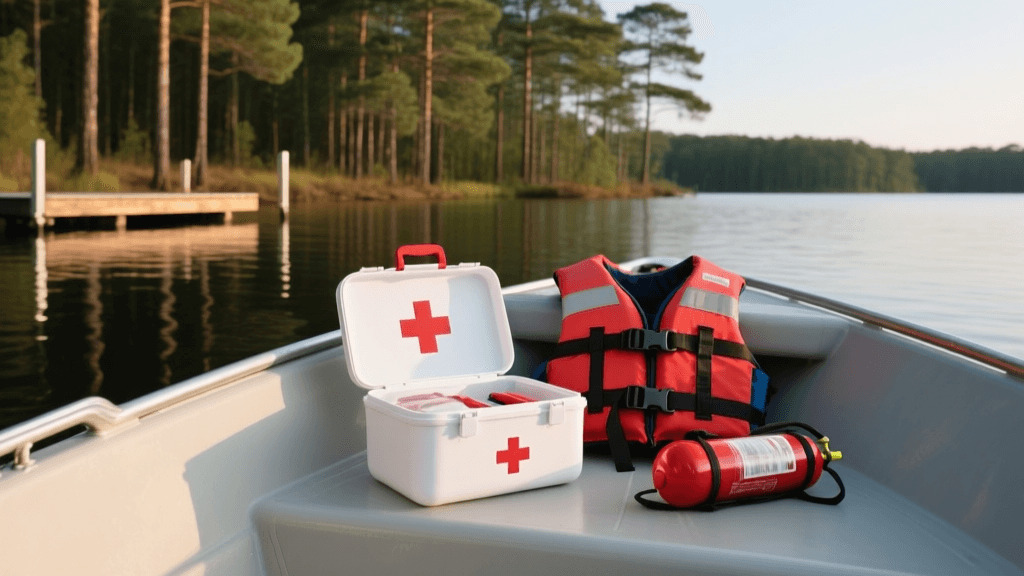
For boaters launching near Columbia, Lake Murray’s size and recreational variety make passenger planning especially useful. A fishing trip with two people may present different exposure than a summer afternoon with a full group, swimming stops, and a towable tube. Launching near Lexington, Chapin, or the Lake Murray communities can also mean meeting guests at different access points, so everyone should know where life jackets and emergency equipment are kept. Around West Columbia, Cayce, Forest Acres, and other nearby communities, boat owners may store or trailer vessels away from the lake, making accurate garaging and use information relevant when arranging coverage. Review the policy before peak season and after changing boats, passenger capacity, or activities.
A Practical Review Checklist
Questions to Ask Before Choosing a Limit
- Confirm which household members and guests qualify, and whether boarding, exiting, swimming, or watersports injuries are treated differently.
- Ask whether the limit applies per injured person, whether a per-accident maximum exists, and what expenses or treatment deadlines apply.
- Compare MedPay with your health insurance and boat liability coverage so you understand what each policy is intended to address.
- Check exclusions for towing, commercial use, racing, and other activities you actually plan to do on Lake Murray.
- Keep the declarations page, emergency contacts, and claim-reporting instructions accessible, and document incidents and medical bills promptly.

What to Do Before Your Next Outing
Start with the declarations page and the medical payments section of the full policy, then write down the limit, covered people, key exclusions, and claim-reporting steps. If the wording does not answer whether a particular passenger or activity qualifies, ask the insurer or a qualified insurance professional before the trip. Compare options based on the boat’s use and the number of people typically aboard, not just on price. After an incident, prioritize emergency care, make the scene safe, record names and contact details, and preserve bills and relevant photographs; report the event promptly under the contract. A careful review can help Columbia-area boaters make informed choices without confusing MedPay with health insurance or liability protection.
Review Your Boat Coverage Before Lake Season
Compare available medical payments limits and policy terms to find an option that fits your boat, passengers, and planned activities.
Get a Free Quote