Why the Cause of a Boat Breakdown Matters
A boat that will not start can mean a frustrating day on the water, but the repair bill depends partly on why it stopped working. Boat insurance is generally designed to cover specified accidental losses, not every cost of keeping an engine reliable. For Columbia owners who launch on Lake Murray, a sudden failure during a trip may look like a single event, while an adjuster may identify corrosion, an overdue service, or gradual wear as the underlying cause. Knowing the difference helps set realistic expectations before a claim. This guide explains what to look for in policy language and what details to gather when discussing coverage.
How Mechanical Breakdown and Maintenance Differ
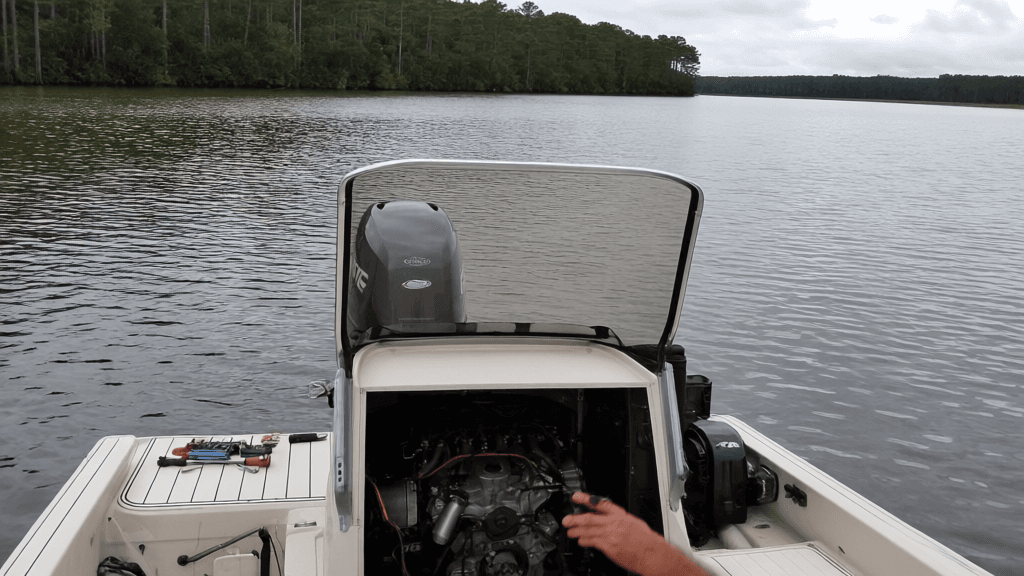
Mechanical breakdown usually describes a failure of a component, such as an engine, transmission, or electrical part. Whether a policy covers the resulting damage depends on the wording, the cause, and any available endorsement. Routine maintenance means the recurring care required to keep a boat operating, including oil and filter changes, cooling-system checks, tune-ups, and replacing parts that have reached the end of their useful life. Those expenses are normally the owner's responsibility. A policy may cover damage caused by a covered event even if a mechanical part is involved, yet exclude the failed part itself. The distinction is important: ask whether coverage applies to the component, consequential damage, or both.
What a Sudden Failure Could Mean for a Claim
Imagine a Columbia-area boater striking a submerged object on Lake Murray and then discovering that the propeller shaft is bent and the engine has sustained related damage. The impact may be evaluated as an accidental event under the policy, subject to its terms, deductible, and exclusions. Compare that with an engine that overheats because a cooling passage has slowly become obstructed or a water-pump impeller was left in service too long. The symptom may appear suddenly, but the documented cause could be gradual deterioration or missed maintenance. Preserve service records, photographs, receipts, and the mechanic's written diagnosis. Avoid authorizing extensive repairs before checking the insurer's claim instructions, except where immediate steps are needed to prevent further damage.
Wear, Deterioration, and Neglected Maintenance
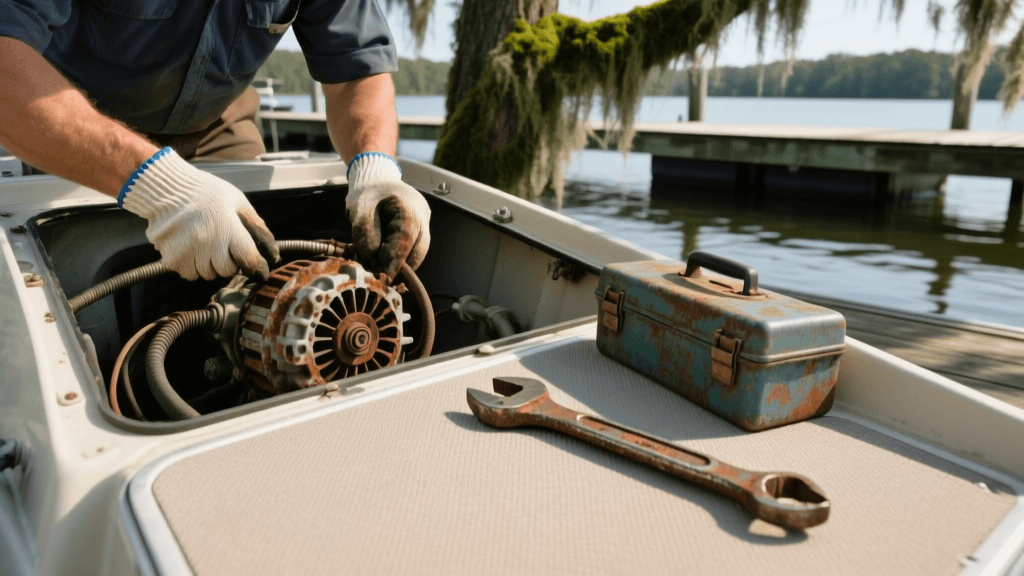
Many boat policies exclude ordinary wear and tear, corrosion, rust, gradual deterioration, and damage that results from a lack of reasonable maintenance. Exact wording varies, so do not assume that every policy uses the same definitions or exceptions. For example, an aging hose that cracks after years of heat exposure may be treated differently from a hose damaged in a covered collision. Neglect can also complicate a claim if an owner notices a warning light, recurring overheating, or water intrusion but continues operating the boat. Keep a simple maintenance log with dates, engine hours, work completed, and parts replaced. It can support a clear account of how the boat was cared for and help a repair professional trace the failure.
Practical Steps Before and After a Breakdown
Before boating season, follow the manufacturer's service schedule and check the systems most likely to cause trouble on the water: battery condition, fuel lines, bilge pumps, cooling flow, belts, hoses, and safety equipment. Ask a qualified marine technician to investigate recurring symptoms rather than treating each trip as a test. If a breakdown happens, prioritize passenger safety and follow applicable boating and towing procedures. Record when the problem began, what the engine was doing, any warning indicators, and the conditions around the event. Take clear photos before cleanup or disassembly when it is safe to do so. Then contact the insurer promptly and ask whether an inspection, approved repair facility, or specific documentation is required.
Questions to Ask When Reviewing Exclusions
Read the declarations, coverage forms, endorsements, and exclusions together; a brief summary may not explain how a specific engine failure is treated. Ask whether the policy offers a mechanical breakdown endorsement, what components it applies to, and whether it has age, engine-hour, service-history, or usage limits. Find out how the policy handles consequential damage when an excluded part fails and damages another covered component. Clarify whether towing and on-water assistance are included, limited, or offered separately, because those services are not the same as paying for an engine repair. Also ask how deductibles apply and whether the insurer requires pre-approval before repairs. Request explanations in writing so you can compare policy terms accurately.
Local Considerations for Columbia and Lake Murray
Columbia boat owners often balance warm-weather use, storage periods, and trips to Lake Murray, where an engine issue can become a towing and safety concern as well as a repair expense. Heat, humidity, changing water conditions, and long periods between outings make pre-launch checks and seasonal service particularly useful. Owners in Lexington, Chapin, Ballentine, and nearby communities may use different launch points or store boats at a marina, at home, or in a facility; ask whether storage arrangements and navigation areas are accurately reflected in the policy. A boat kept unused for part of the year still needs proper preparation and inspection. Confirm that your coverage details fit the boat's actual use, location, and storage routine.
Key Takeaways for Boat Owners
What to Keep in Mind
- A breakdown is a symptom, not a coverage decision; the policy and the diagnosed cause determine how a claim may be handled.
- Routine servicing, worn parts, corrosion, and gradual deterioration are commonly excluded, but policy language and endorsements differ.
- Ask whether a mechanical breakdown option covers the failed component, resulting damage, towing, or only certain items.
- Keep maintenance invoices, engine-hour records, photographs, and a written repair diagnosis together in an accessible file.
- Respond promptly to warning signs and report a potential claim according to the insurer's instructions.

Choose Coverage With Clear Expectations
Before the next Lake Murray outing, take a few minutes to compare the policy's mechanical breakdown, wear, maintenance, towing, and consequential-damage language. Describe your boat accurately, including its age, engine, typical use, storage, and service history, so coverage discussions reflect real conditions. If a clause is unclear, ask for a plain-language explanation and an example of how it might apply to a failed engine part or damage from a collision. No policy wording can replace routine care, but a careful review can reveal where insurance may help and where the owner should budget for repairs. This practical check can make an unexpected breakdown less confusing and help you plan with confidence.
Review Your Boat Coverage Before the Next Launch
Compare policy terms and ask a licensed insurance professional how mechanical breakdown, maintenance exclusions, and towing apply to your boat.
Get a Free Quote